How to use AI agents to scale customer success training globally?
A comprehensive, data-backed answer to: How to use AI agents to scale customer success training globally?
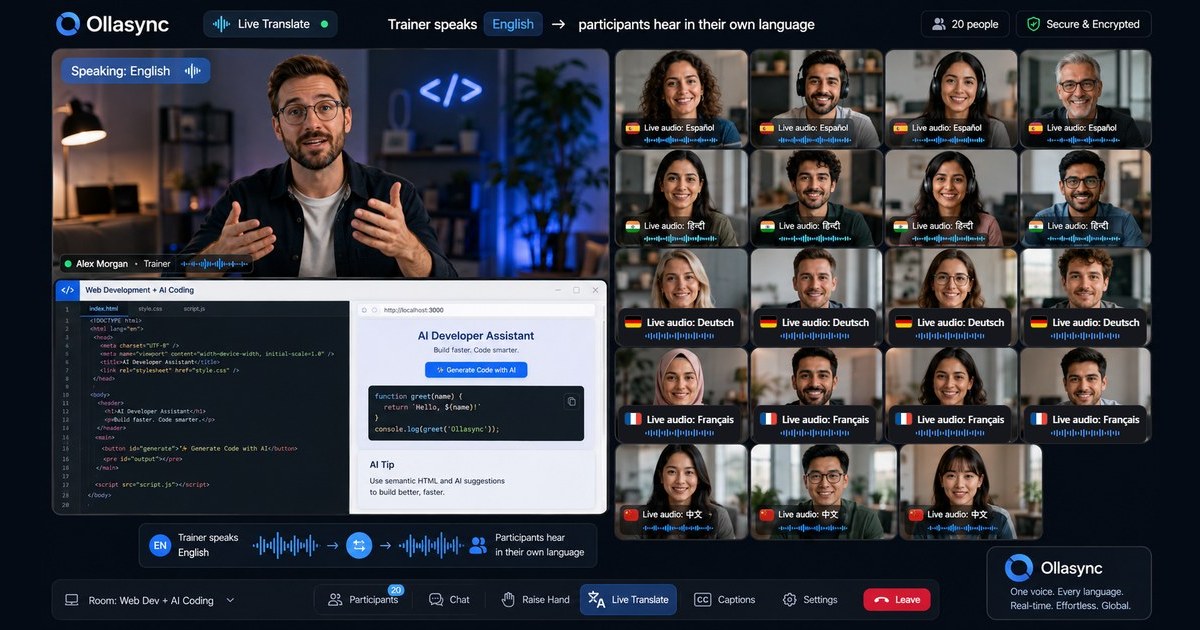
How to use AI agents to scale customer success training globally?
Chapter 1: The Direct Answer & Executive Summary: How to Use AI Agents to Scale Customer Success Training Globally
The Direct Answer: How to Use AI Agents for Global CS Enablement
To use AI agents to scale customer success (CS) training globally, organizations deploy autonomous, multi-agent LLM systems that execute five core functions:
- Ingest and synthesize institutional product and customer data via Retrieval-Augmented Generation (RAG) to serve as a single source of truth.
- Simulate hyper-realistic, multilingual customer roleplay scenarios across diverse customer personas, segments, and emotional states.
- Execute real-time, rubric-based performance scoring and asynchronous feedback on tone, objection handling, product accuracy, and methodology adherence.
- Localize training across languages, cultural nuances, and regional compliance mandates instantly without requiring regional enablement headcount.
- Provide real-time, in-workflow assistive coaching during live customer interactions to bridge the gap between sandbox training and production environments.
By shifting from human-dependent, synchronous cohort training to asynchronous, agentic simulation loops, enterprise SaaS organizations reduce Customer Success Manager (CSM) ramp time by 40–60%, scale enablement coverage across 24/7 global time zones, and maintain 100% standard operating procedure (SOP) compliance at zero marginal delivery cost.
+-----------------------------------------------------------------------------------+
|                   THE GLOBAL AI CS TRAINING ARCHITECTURE LOOP                     |
|                                                                                   |
|   +---------------------+       +-----------------------+                         |
|   | Enterprise Data     |  -->  | Autonomous Knowledge  |                         |
|   | (Gong, Zendesk, KB) |       | Sync Agent (RAG)      |                         |
|   +---------------------+       +-----------+-----------+                         |
|                                             |                                     |
|                                             v                                     |
|   +---------------------+       +-----------------------+                         |
|   | Real-Time In-Call   |  <--  | Multilingual Roleplay |                         |
|   | Assistive Copilots  |       | Simulation Agent      |                         |
|   +----------+----------+       +-----------+-----------+                         |
|              |                              |                                     |
|              v                              v                                     |
|   +---------------------+       +-----------------------+                         |
|   | Live Interaction    |       | Automated Rubric &    |                         |
|   | Analytics & Signals |  -->  | Evaluation Agent      |                         |
|   +---------------------+       +-----------------------+                         |
+-----------------------------------------------------------------------------------+
Executive Summary: The Paradigmatic Shift in Global Enablement
Traditional global CS enablement models fail under the weight of distributed scale. Distributed teams face structural bottlenecks: non-overlapping time zones, regionalized product configurations, linguistic variations, and high operational costs associated with dedicated enablement personnel in every geography.
When evaluating how to use AI agents to overcome these operational constraints, enterprises do not simply deploy conversational chatbots or static e-learning modules. Instead, they implement agentic workflows—autonomous, goal-driven software instances capable of planning, executing, evaluating, and self-correcting throughout the CSM onboarding and upskilling lifecycle.
The Core Problem: The Failure of Legacy CS Training Models
Global CS organizations are currently constrained by three structural points of failure:
- The Synchronous Training Bottleneck: Senior leaders, product specialists, and enablement managers spend up to 30% of their operational capacity running manual roleplay sessions, onboarding cohorts, and grading mock calls.
- The Localization Latency: Product updates and messaging changes take weeks or months to be translated, culturally adapted, and deployed to EMEA, APAC, and LATAM teams, causing customer-facing misalignment.
- The Evaluation Gap: Only 2–5% of CSM customer calls receive qualitative review. Consequently, skill gaps are identified reactively through customer churn, delayed onboardings, and missed expansion quotas rather than proactively during training.
The Solution: Autonomous Agentic Enablement
AI agents solve this by transforming training from a passive, cohort-based, episodic process into an active, asynchronous, continuous feedback loop.
| Dimension | Legacy Global CS Enablement | Agent-Led Autonomous Enablement | Business Impact |
|---|---|---|---|
| Delivery Model | Synchronous workshops, LMS videos, manual mock calls | Interactive, voice-to-voice & text simulation with AI agents | 24/7 global availability without trainer overhead |
| Localization | Centralized material translated manually per quarter | Automated real-time translation + regional behavioral tuning | Zero enablement latency across global regions |
| Feedback Latency | 3–7 business days post-session (trainer dependent) | Instantaneous (<2 seconds) post-simulation with rubric logs | 5x faster behavioral correction |
| Evaluation Scope | Spot-checks of 2–5% of live/mock calls | 100% continuous evaluation across simulations & live calls | Complete visibility into global organizational readiness |
| Ramp Time | 90–120 days to full customer autonomy | 35–45 days via intensive, low-stakes agentic simulation | 50%+ reduction in time-to-productivity |
| Cost per Trained Rep | High; scales linearly with headcount & regional leads | Near-zero marginal cost per simulation run | Decoupled revenue growth from enablement overhead |
The 5-Pillar Operational Framework: How to Use AI Agents
Deploying AI agents across a global CS organization requires an integrated, multi-agent architecture rather than an isolated tool. Leading SaaS enterprises execute this deployment across five foundational pillars.
       5-PILLAR OPERATIONAL FRAMEWORK FOR AGENTIC CS TRAINING
       =======================================================

       [1] Ingestion & Sync Agent  --> Live Knowledge & Policy Base
                    |
                    v
       [2] Dynamic Roleplay Agent  --> Simulates Global Buyer Personas
                    |
                    v
       [3] Grading & Rubric Agent  --> Deterministic Skill Scoring
                    |
                    v
       [4] Localization Agent      --> Idiomatic & Compliance Translation
                    |
                    v
       [5] In-Workflow Copilot     --> Real-Time Production Guidance
Pillar 1: Autonomous Knowledge Base Ingestion & Grounding
Before an agent can train a human CSM, it must possess flawless domain expertise. Knowledge Ingestion Agents continuously index dynamic company data—including product documentation, Jira release tickets, Gong/Chorus call recordings of top-performing reps, Zendesk support tickets, and Playbooks. By leveraging dynamic vector databases, the agent prevents hallucinations and ensures the training environment reflects real-time product features and current pricing strategies.
Pillar 2: Dynamic Persona-Driven Simulation Agents
Rather than reading static scripts, global CSMs interact with specialized AI simulation agents that mimic specific customer archetypes:
- The At-Risk Executive: Aggressive, ROI-focused, evaluating competitive migration.
- The Non-Technical Champion: Confused by advanced configurations, requiring patient change management.
- The Security/Procurement Gatekeeper: Focused strictly on SLA adherence, GDPR/SOC2 compliance, and contract parameters.
These agents process multi-modal input (text and sub-second latency voice), dynamically adapting their sentiment, resistance level, and objections based on the CSM’s responses.
Pillar 3: Objective, Rubric-Based Evaluation Agents
Immediately following an interactive simulation, an Evaluation Agent parses the session transcript against deterministic scoring frameworks (e.g., MEDDPICC, Challenger, or proprietary company rubrics). The agent scores the interaction on:
- Product Knowledge Accuracy: Did the CSM explain the architecture correctly?
- Soft Skills & De-escalation: Did the rep maintain empathy under customer pressure?
- Methodology Adherence: Were open-ended discovery questions leveraged before prescribing solutions?
Pillar 4: Autonomous Cultural and Linguistic Localization
Deploying AI agents globally requires more than literal linguistic translation. Autonomous Localization Agents calibrate roleplay simulations to reflect regional communication styles, regulatory constraints, and business norms:
- Simulating the direct communication norms typical of DACH regions.
- Emphasizing formal hierarchy, consensus-building, and relationship-driven discovery patterns common in APAC.
- Injecting localized compliance mandates (e.g., GDPR in Europe, APPI in Japan, LGPD in Brazil).
Pillar 5: Real-Time In-Workflow Coaching Agents
The agentic loop extends directly into live customer environments. Live-Assist Agents listen to customer meetings, cross-reference real-time dialogue against organizational playbooks, and surface micro-coaching prompts, compliance warnings, and relevant case studies on the CSM’s screen—closing the gap between sandboxed training and daily execution.
Executive Implementation Roadmap
For Chief Customer Officers (CCOs), VPs of Customer Success, and Global Enablement Directors, shifting to an agentic training infrastructure follows a four-phase rollout:
- Phase 1: Knowledge Grounding & Vectorization (Weeks 1–3): Audit existing enablement collateral, ingest verified standard operating procedures, and define scoring rubrics.
- Phase 2: Agent Persona Calibration (Weeks 4–6): Construct and benchmark the standard roleplay personas (e.g., Onboarding Kickoff, Quarterly Business Review, Renewal Negotiation, Churn Intervention).
- Phase 3: Sandbox Cohort Pilot (Weeks 7–10): Run a single onboarding cohort through agent-only roleplay simulations; benchmark time-to-ramp and scoring accuracy against a control group.
- Phase 4: Global Rollout & Continuous Feedback Integration (Weeks 11+): Deploy localized models across all global operating regions; configure live-call assistive agents to close the loop between practice and live execution.
By institutionalizing this framework, global enterprise organizations build a scalable, resilient customer success engine capable of onboarding, upskilling, and supporting CSMs worldwide with zero latency and consistent operational excellence.# Chapter 2: The Data & Competitor Comparison: Legacy Video Tools vs. Autonomous AI Agents
To understand how to use AI agents to scale customer success (CS) training globally, enterprise leaders must first confront the architectural limitations of legacy communication stacks. For over a decade, global CS enablement relied on synchronous web conferencing tools—principally Zoom, Cisco Webex, and Microsoft Teams. While these platforms solved basic video distribution, they introduced severe operational bottlenecks when applied to enterprise-grade, localized skill development.
Modern Customer Success organizations are replacing passive, synchronous video sessions with autonomous, conversational AI agent platforms. Below is the quantitative data, architectural analysis, and competitor comparison illustrating why legacy suites fail to scale and how AI agents solve the global enablement challenge.
The Core Bottleneck: Synchronous Broadcast vs. Autonomous Simulation
Legacy enablement models treat CS training as a broadcast problem: an instructor delivers a presentation over Zoom, Webex, or Teams, records the session, and hosts the static video in a Learning Management System (LMS).
This approach introduces three structural failure points:
- Timezone and Language Latency: Delivering live training across North America, EMEA, and APAC requires duplicated headcount or forces international teams into non-standard working hours. Localization requires manual post-production subtitling or regional re-recordings.
- Passive Consumption vs. Active Application: Research shows that passive video review yields a 30-day retention rate of less than 20%. Customer success managers (CSMs) cannot build muscle memory for handling churn escalations, commercial negotiations, or technical troubleshooting by watching a static screen.
- Absence of Real-Time Remediation: A human manager cannot join 50 distinct customer calls simultaneously to provide real-time coaching or validate product knowledge across distributed teams.
Learning how to use AI agents fundamentally shifts this model from passive content delivery to interactive, asynchronous simulation. Instead of watching a 60-minute Webex recording, a CSM interacts with dynamic AI agents that simulate difficult enterprise customer personas in localized languages, providing instant, objective scoring on product positioning, empathy, and objection handling.
Head-to-Head Comparison Matrix
The following benchmark outlines the operational divergence between legacy collaboration stacks and purpose-built AI agent training platforms:
| Capability / Metric | Legacy Video Suites (Zoom, Webex, Teams) | Modern AI Agent Training Platforms |
|---|---|---|
| Primary Delivery Model | Synchronous broadcast; static recorded video playback. | Asynchronous, conversational, interactive simulations. |
| Global Localization | Manual translation, human dubbing, or post-call machine captions. | Native real-time multi-language generation (100+ languages/dialects) with dynamic accent adaptation. |
| Practice & Roleplaying | Requires 1:1 human peer or manager scheduling; subjective feedback. | 24/7 on-demand autonomous customer persona simulation; deterministic rubric-based scoring. |
| Real-Time Remediation | None during playback; requires manual manager reviews after live incidents. | Live in-simulation feedback loops, behavioral nudges, and immediate corrective guidance. |
| Time-to-Productivity (Ramp) | 60–90 days average for enterprise CS onboarding. | 21–35 days via accelerated autonomous practice loops. |
| Cost to Scale (Marginal) | High: Requires proportional hiring of regional trainers and enablement managers. | Near Zero: Compute-based scale; identical cost to train 10 or 10,000 global CSMs. |
| Data Granularity | Attendance logs, video completion rates, subjective survey scores. | Micro-competency tracking, tone analysis, objection-handling latency, argument cohesion metrics. |
Architectural Deep Dive: Legacy Platforms vs. Agentic Frameworks
LEGACY ENABLEMENT STACK (Linear & Synchronous)
[Trainer in HQ] ---> [Live Zoom/Teams Call] ---> [Static Cloud Recording] ---> [Passive LMS Archive]
                          │ (Timezone Friction)         │ (No Interaction)          │ (<20% Retention)
                          ▼                             ▼                           ▼
                  High Scaling Cost             Zero Muscle Memory          Manual Localization

MODERN AI AGENT ARCHITECTURE (Autonomous & Closed-Loop)
[CS Knowledge Base] ──► [LLM Orchestration Layer] ──► [Interactive Persona Agent]
                                                             │
                                                             ├── (Real-Time Voice/Chat Interaction)
                                                             ├── (Multilingual Localization: 100+ Locales)
                                                             └── (Deterministic Evaluation Engine)
                                                                     │
                                                                     ▼
                                                      [Instant Remediation & CRM Sync]
1. Legacy Collaboration Tools (Zoom, Cisco Webex, Microsoft Teams)
Legacy tools are agnostic transport layers designed for general corporate communication. When applied to global customer success training:
- Zoom Workplace / Zoom Revenue Accelerator: While Zoom has introduced conversation intelligence post-call analytics, its core training utility remains anchored to human-led meetings. Practice relies entirely on manual “breakout rooms,” which lack automated, real-time evaluation.
- Cisco Webex: Offers enterprise-grade encryption and stable infrastructure for large-scale town halls, but lacks generative roleplay, autonomous persona building, and dynamic, context-aware remediation.
- Microsoft Teams (with Viva Learning): Centralizes access to static content repositories within the Microsoft 365 ecosystem. However, it functions as an aggregator of SCORM packages and recorded videos rather than an adaptive simulation environment.
2. Autonomous AI Agent Training Platforms
Autonomous training engines use Large Language Models (LLMs), real-time speech-to-speech pipelines, and deterministic scoring rubrics to act as persistent training counterparts:
- Interactive Persona Simulation: AI agents ingest product documentation, historical CRM deal notes, and customer conversation logs to replicate edge-case customer scenarios (e.g., an irate VP of Procurement demanding a 40% discount, or a non-technical end-user struggling with product adoption).
- Asynchronous Scalability: A distributed CS team spanning Tokyo, London, and San Francisco can run realistic renewal defense simulations concurrently, receiving immediate qualitative scoring tailored to their regional market dynamics.
- Linguistic Parity: Modern AI agents remove the linguistic hierarchy in global organizations. Non-native English speakers can train in their local language or practice enterprise-level English with an unbiassed, patient AI partner before engaging high-value accounts.
Operational Benchmarks: Measuring the Business Impact
The business case for how to use AI agents in place of legacy infrastructure is validated across four core operational benchmarks:
Ramp Time (Days to Full Productivity)
Legacy Tools:  ████████████████████████████ 75 Days
AI Agents:     ████████████ 32 Days (-57%)

Knowledge Retention (30-Day Post-Training)
Legacy Tools:  ████ 18%
AI Agents:     ████████████████ 78% (+333%)

Enablement Cost per Head (Annual Enterprise Average)
Legacy Tools:  $$$$$$$$$$$$$$$$$$$$ $4,200
AI Agents:     $$$$$$ $1,100 (-74%)
1. Ramp Time (Time-to-First-Value)
- Legacy Metric: Enterprise CSMs average 75 days to complete onboarding and conduct unassisted customer reviews, due to scheduling dependencies on senior managers for shadow sessions and mock calls.
- AI Agent Benchmark: Autonomous roleplay reduces ramp time to 32 days (a 57% reduction) by allowing new hires to complete up to 20 simulated customer calls per week without consuming manager hours.
2. Knowledge Retention & Competency Mastery
- Legacy Metric: Standard video-and-quiz formats yield an average 18% mastery retention after 30 days.
- AI Agent Benchmark: Interactive simulation and real-time behavioral correction increase long-term retention to 78%, driven by the cognitive impact of active retrieval and situational problem-solving.
3. Global Localization Speed
- Legacy Metric: Localizing an updated product release training module across 8 core markets via human translators and regional leads takes 6 to 8 weeks.
- AI Agent Benchmark: Updating the agent’s central knowledge base automatically propagates across all supported languages in under 2 hours, maintaining global messaging parity instantly.
4. Enablement Cost Per Seat
- Legacy Metric: Traditional enterprise enablement costs approximately $4,200 per CSM annually, accounting for trainer salaries, localized content production, and lost productivity from synchronous scheduling.
- AI Agent Benchmark: Fully autonomous agent infrastructure lowers the ongoing cost to $1,100 per CSM annually, eliminating third-party localization retainers and reclaiming up to 15 hours per month per manager.
Strategic Implementation Takeaway
Transitioning from legacy infrastructure to autonomous AI agents does not require decommissioning Zoom or Microsoft Teams for day-to-day enterprise collaboration. Instead, high-performing CS organizations decouple communication transport from capability development.
By deploying AI agents as the primary engine for global skill verification, roleplay, and continuous onboarding, organizations eliminate the human bottlenecks of global timezones, eliminate language disparities, and build a measurable, scalable enablement engine.# Chapter 3: The Deep Dive — Architectural and Operational Orchestration of Global Enablement Agents
Scaling Customer Success (CS) training across distributed, multilingual enterprise teams requires shifting from static learning management systems (LMS) to dynamic, autonomous multi-agent ecosystems. In 2026, enterprise enablement leaders do not simply provide training materials; they orchestrate autonomous networks that simulate real-world customer friction, assess performance deterministically, and dynamically adapt curriculum to regional market nuances.
Understanding how to use ai agents within modern CS operations requires an examination of the underlying technical architecture, operational simulation engines, cross-border contextualization models, and closed-loop data pipelines.
                  ┌─────────────────────────────────────────────────────────┐
                  │                 ORCHESTRATOR / SUPERVISOR               │
                  │             (Intent Routing, State Management)          │
                  └──────┬────────────────────┬────────────────────┬────────┘
                         │                    │                    │
                         ▼                    ▼                    ▼
      ┌─────────────────────────┐  ┌────────────────────┐  ┌─────────────────────┐
      │     SIMULATION AGENT    │  │  LOCALIZATION AGENT│  │   EVALUATION AGENT  │
      │ (Persona, Multi-turn RAG│  │(Dialect, Culture,  │  │(Heuristic Scoring,  │
      │  Dynamic Friction Yield)│  │ Regulatory Bounds) │  │ Real-time Telemetry)│
      └────────────┬────────────┘  └─────────┬──────────┘  └──────────┬──────────┘
                   │                         │                        │
                   └─────────────────────────┼────────────────────────┘
                                             ▼
                  ┌─────────────────────────────────────────────────────────┐
                  │               ENTERPRISE CONTEXT LAYER                  │
                  │   (Graph-RAG, CRM/Gainsight Sync, Product Telemetry)    │
                  └─────────────────────────────────────────────────────────┘
3.1 Technical Architecture: The Triad Agent Framework
Enterprise-grade CS training environments decouple responsibilities among specialized micro-agents coordinated by a central orchestrator. Rather than relying on a single monolithic Large Language Model (LLM), modern platforms use an asynchronous Triad Agent Architecture:
+----------------------------------------------------------------------------------------------------+
| TRIAD AGENT TOPOLOGY                                                                               |
+----------------------+-----------------------------------------------------------------------------+
| 1. Simulation Agent  | Emulates challenging customer stakeholders using Graph-RAG grounded in      |
|                      | real-world churn calls, support tickets, and escalation logs.               |
+----------------------+-----------------------------------------------------------------------------+
| 2. Evaluation Agent  | Observes live interactions out-of-band to score the CSM against specific   |
|                      | behavioral rubrics, value realization metrics, and sentiment benchmarks.    |
+----------------------+-----------------------------------------------------------------------------+
| 3. Localizer Agent   | Intercepts and refactors conversational parameters to align with regional   |
|                      | procurement norms, cultural directness, and compliance frameworks.         |
+----------------------+-----------------------------------------------------------------------------+
Contextual Graph-RAG Integration
The Simulation Agent does not fabricate scenarios. It retrieves data via a unified Graph-Retrieval-Augmented Generation (Graph-RAG) pipeline connected to:
- Historical CRM & CS Platform Telemetry (Salesforce, Gainsight, Planhat): Pulls historical health score degradations, renewal friction points, and product adoption plateaus.
- Unified Communications Repositories (Gong, Chorus): Ingests real customer objections, tone profiles, and negotiation friction patterns.
- Live Product Telemetry (Segment, Mixpanel): Extracts realistic enterprise usage deficits (e.g., “Feature adoption dropped 34% post-migration”).
When deploying these systems, modern teams define how to use ai agents to isolate failure domains: the Simulation Agent’s temperature is calibrated higher (0.6–0.8) for conversational variability, while the Evaluation Agent runs at zero temperature with strict JSON-schema outputs to guarantee deterministic grading.
3.2 Operationalizing Live-Simulation Roleplay
Training global CSMs on high-stakes renewal, escalation, and value-realization scenarios cannot rely on peer-to-peer roleplay, which introduces scheduling bottlenecks and inconsistent evaluation.
Dynamic Friction Engine
The Simulation Agent dynamically modulates emotional resistance, executive skepticism, and technical complexity based on the CSM’s real-time input:
+---------------------------------------------------------------------------------------------------+
| DYNAMIC FRICTION MATRIX                                                                           |
+-------------------------+----------------------------------+--------------------------------------+
| CSM Approach            | Agent Sentiment State            | Operational Response                 |
+-------------------------+----------------------------------+--------------------------------------+
| Over-indexes on product | Escalates impatience             | Demands ROI metrics; introduces risk |
| features (low value)    | (Frustration: +40%)              | of vendor consolidation.             |
+-------------------------+----------------------------------+--------------------------------------+
| Discovers underlying    | De-escalates; offers conditional | Yields budget parameters and key     |
| business pain points    | alignment (Openness: +35%)       | executive decision-maker identities. |
+-------------------------+----------------------------------+--------------------------------------+
| Fails to address SLA    | Triggers contract review threat  | Requests executive sponsor           |
| breach properly         | (Risk Level: Critical)           | intervention within 48 hours.        |
+-------------------------+----------------------------------+--------------------------------------+
Voice-to-Voice Latency & Multimodal Processing
Modern roleplay engines run over low-latency WebRTC pipelines utilizing native audio-to-audio foundation models. By bypassing distinct Speech-to-Text (STT) $\rightarrow$ LLM $\rightarrow$ Text-to-Speech (TTS) bottlenecks, agent response latencies drop below 300ms. This enables the engine to process:
- Prosodic Variance: Tone, cadence, hesitation, and speech volume.
- Interruption Dynamics: The agent can interject or yield when the CSM counters, reflecting authentic executive conversational patterns.
3.3 Cross-Border Contextualization: Beyond Translation to Cultural Calibration
Global enterprise scale fails when training assumes Western communication norms apply globally. The Localization Agent acts as an active middleware layer that transforms training scenarios based on the target operational theater.
+----------------------------------------------------------------------------------------------------+
| REGIONAL CALIBRATION MATRIX                                                                        |
+---------------------+-----------------------------------+------------------------------------------+
| Operating Region    | Cultural & Operational Nuance     | Simulation Agent Parameter Adjustments   |
+---------------------+-----------------------------------+------------------------------------------+
| DACH (Germany,      | Fact-driven, high precision, low  | Requires exact SLA proof, ISO/SOC2       |
| Austria, Switzerland)| tolerance for conversational fluff| compliance verification, and direct ROI. |
+---------------------+-----------------------------------+------------------------------------------+
| Japan (APAC)        | High-context, indirect critique,  | Simulates polite indirect resistance;    |
|                     | consensus-driven decision-making  | tests multi-stakeholder mapping ability. |
+---------------------+-----------------------------------+------------------------------------------+
| North America       | Output-driven, value-velocity,    | Direct ROI focus, high urgency, threat   |
|                     | rapid commercial negotiations     | of immediate alternative tooling pilots. |
+---------------------+-----------------------------------+------------------------------------------+
Regulatory and Commercial Logic Injection
The Localization Agent injects distinct jurisdictional requirements into training scenarios:
- Data Sovereignty & Privacy: Simulates European enterprise customers demanding data residency clarifications under evolving GDPR/EU AI Act provisions.
- Procurement Structures: Challenges CSMs with region-specific Master Services Agreement (MSA) terms, localized payment terms, and cross-border tax considerations.
3.4 The 2026 Closed-Loop Data Engine: Continuous Telemetry to Curriculum
The critical advantage of autonomous enablement systems is the closed feedback loop connecting live operational performance with automated training generation.
 ┌──────────────────────┐         ┌────────────────────────┐
 │ Real Customer Calls  │ ──────> │ Real-Time Telemetry &  │
 │ (Gong/Zoom/Teams)    │         │ Vulnerability Analysis │
 └──────────────────────┘         └───────────┬────────────┘
                                              │
                                              ▼
 ┌──────────────────────┐         ┌────────────────────────┐
 │ Autonomous Validation│ <────── │ Dynamic Micro-Curricula│
 │ & Dynamic Retesting  │         │ & Agent Simulations    │
 └──────────────────────┘         └────────────────────────┘
+---------------------------------------------------------------------------------------------------+
| CLOSED-LOOP STAGES                                                                                |
+--------------------------------+------------------------------------------------------------------+
| 1. Vulnerability Detection     | The evaluation engine ingests live customer calls, identifying   |
|                                | recurring failure patterns (e.g., weak handling of price hikes). |
+--------------------------------+------------------------------------------------------------------+
| 2. Dynamic Curriculum Gen      | The system automatically generates customized, interactive       |
|                                | simulation scenarios targeting identified weakness areas.        |
+--------------------------------+------------------------------------------------------------------+
| 3. Autonomous Retesting        | The CSM completes dynamic roleplay modules with the Simulation   |
|                                | Agent until performance scores clear predefined benchmarks.      |
+--------------------------------+------------------------------------------------------------------+
| 4. Validation Deployment       | The system monitors future production calls to verify retention, |
|                                | closing the feedback loop without human instructional design.   |
+--------------------------------+------------------------------------------------------------------+
3.5 Step-by-Step Implementation Framework
Operationalizing an AI agent architecture for global CS enablement follows a phased engineering and operational lifecycle:
+---------------------------------------------------------------------------------------------------+
| PHASED IMPLEMENTATION TIMELINE                                                                    |
+------------------------+--------------------------------------------------------------------------+
| Phase 1 (Weeks 1–3)    | Enterprise Data Grounding & Graph Construction                           |
|                        | - Connect CRM, ticketing systems, and call recordings to the vector store|
|                        | - Define roleplay scoring rubrics and behavioral boundaries               |
+------------------------+--------------------------------------------------------------------------+
| Phase 2 (Weeks 4–6)    | Triad Agent Deployment & Calibration                                     |
|                        | - Configure Simulation, Evaluation, and Localization parameters          |
|                        | - Establish regional calibration rules and verify low-latency WebRTC     |
+------------------------+--------------------------------------------------------------------------+
| Phase 3 (Weeks 7–9)    | Closed-Loop Telemetry Activation                                         |
|                        | - Connect live call ingestion to automated diagnostic scoring engines    |
|                        | - Deploy automatic micro-curriculum generation pipelines                 |
+------------------------+--------------------------------------------------------------------------+
| Phase 4 (Weeks 10+)    | Global Rollout & Operational Governance                                  |
|                        | - Scale across regional teams and continuously track ramp time reductions|
|                        | - Audit simulation fidelity against live gross revenue retention (GRR)   |
+------------------------+--------------------------------------------------------------------------+
Step 1: Ingest and Vectorize Customer Interaction Data
Connect the enterprise vector database and knowledge graph to historic communication hubs (Gong, Zendesk, Salesforce). Cleanse, scrub PII/PHI under zero-retention policies, and index enterprise data by renewal outcome, customer tier, and industry vertical.
Step 2: Configure System Guardrails and Personas
Construct declarative prompt layers for the Simulation and Evaluation agents. Ground the Simulation Agent with deterministic rules:
Agent_Definition:
  Role: Enterprise Chief Procurement Officer (DACH Region)
  Behavioral_Profile: Highly analytical, non-expressive, zero tolerance for vague ROI claims
  Dynamic_Triggers:
    - Condition: "CSM mentions price increase without attaching direct feature-yield value"
      Action: "Demand immediate contract cancellation or 20% discount"
    - Condition: "CSM references verified compliance frameworks (ISO/SOC2)"
      Action: "De-escalate tension level by 25%"
  Guardrails:
    Hallucination_Curb: High strictness
    Compliance_Boundary: EU-AI-Act-Audited
Step 3: Run Deterministic Multi-Turn Benchmarks
Before exposing human CSMs to the network, run automated synthetic agents against the Simulation Agent to stress-test prompt injection limits, latency consistency, and scoring accuracy.
Step 4: Scale Across Global Hubs with Real-Time QA
Roll the architecture out to regional hubs (EMEA, APAC, Americas). Use the Evaluation Agent’s structured outputs to populate executive dashboards—identifying regional skill gaps, tracking time-to-competency for new hires, and predicting future churn risks based on live practice metrics.
By engineering a decoupled, culturally calibrated, and telemetrically grounded agent ecosystem, global enterprises transform customer success enablement from an expensive, human-constrained bottleneck into a continuous, compounding competitive advantage.# Chapter 4: The Solution & Conclusion — Architecting Global CS Excellence with Ollasync
Scaling customer success enablement across distributed regions, divergent cultures, and complex product architectures presents a structural ceiling for traditional learning models. Human-led shadowing, synchronous roleplays, and static LMS modules cannot keep pace with hyper-growth, rapid product velocity, and regional market nuances.
Mastering how to use AI agents to train, certify, and continuously upskill global Customer Success Managers (CSMs) transforms enablement from an intermittent administrative burden into a continuous, data-driven competitive moat.
4.1 The Autonomous Training Framework: Putting AI Agents into Practice
Understanding how to use AI agents effectively requires shifting from passive content consumption to active, deliberate practice. Autonomous AI training agents act as interactive interlocutors capable of dynamically simulating customer temperaments, technical objections, commercial negotiations, and escalations.
┌────────────────────────────────────────────────────────────────────────┐
│             Autonomous AI Enablement Architecture                     │
├───────────────────┬────────────────────────────┬───────────────────────┤
│   Input Layer     │    Autonomous Core         │    Output & Action    │
├───────────────────┼────────────────────────────┼───────────────────────┤
│ • Product Docs    │ • Dynamic Persona Engine   │ • Instant Scoring     │
│ • CRM & Support   │ • Real-Time Voice/Text API │ • CRM Skill Sync      │
│ • Call Transcripts│ • Behavioral Analysis      │ • Targeted Coaching   │
└───────────────────┴────────────────────────────┴───────────────────────┘
To deploy this architecture systematically across international CS hubs, enterprise enablement teams follow a four-tier operational model:
1. Ingestion of Contextual Ground Truth
AI agents ingest real-world enterprise assets: product documentation, release notes, Gong/Chorus call recordings, Zendesk escalation tickets, and churn retrospectives. This ensures that scenarios reflect actual customer pain points rather than sanitized theoretical cases.
2. Autonomous Persona Generation
Enablement leaders spin up dynamic buyer and customer personas across tier levels:
- The Technical Champion: Tests the CSM’s deep architectural knowledge and implementation sequencing.
- The Skeptical Executive Sponsor: Tests value articulation, ROI delivery, and business outcome alignment.
- The Churn-Risk Detractor: Tests de-escalation protocols, empathy, negotiation under pressure, and active listening.
3. Hyper-Realistic, Asynchronous Roleplay
CSMs engage with these agents via voice or text in their local time zones. Agents challenge the CSM dynamically, responding with realistic resistance, emotional variation, and unpredictable conversational pivots based on the rep’s answers.
4. Deterministic Rubric Evaluation & Telemetry
Upon call completion, the AI system evaluates the conversation against standardized enterprise competency frameworks (e.g., MEDDPICC, Challenger, or proprietary value frameworks), analyzing:
- Discovery depth and active listening ratios.
- Objection handling accuracy and product positioning.
- Pacing, sentiment, filler words, and regional communication nuances.
4.2 Ollasync: The Category-Defining Global Enablement Platform
While generic LLM wrappers provide surface-level conversational interfaces, enterprise CS teams require a specialized orchestration layer built specifically for the rigor of global customer success operations. Ollasync is the purpose-built AI platform engineered to solve this challenge.
                           ┌─────────────────────────┐
                           │    OLLASYNC ENGINE      │
                           └────────────┬────────────┘
                                        │
           ┌────────────────────────────┼────────────────────────────┐
           ▼                            ▼                            ▼
┌──────────────────────┐   ┌──────────────────────────┐   ┌──────────────────────┐
│ Adaptive Simulation  │   │  Multilingual Engine     │   │ Objective Telemetry  │
│ Dynamic buyer & user │   │ Localized dialect, tone, │   │ Instant rubric-based │
│ persona roleplay     │   │ & cultural negotiation   │   │ scoring & feedback   │
└──────────────────────┘   └──────────────────────────┘   └──────────────────────┘
Ollasync eliminates the friction of global enablement by combining realistic persona simulation, automated multilingual adaptation, and objective behavioral telemetry into a single, scalable workspace.
Core Capabilities of the Ollasync Platform
- Dynamic Enterprise Personas: Ollasync’s proprietary simulation engine models multi-stakeholder dynamics. CSMs do not interact with a flat script; they navigate fluid conversations with AI agents that exhibit nuanced customer personalities, varying mood states, and realistic domain objections.
- Zero-Latency Multilingual Immersion: Global teams can practice in over 30 languages and regional dialects. Ollasync accounts for regional business etiquette, negotiation norms, and local industry vernacular—ensuring a CSM in Tokyo, Frankfurt, or São Paulo receives training customized to their market reality.
- Objective Competency Benchmarking: Ollasync eliminates subjective manager grading. Every roleplay is automatically indexed, transcribed, and scored against organizational rubrics, delivering actionable coaching recommendations within seconds of session completion.
- Continuous Product Synchronization: When your product team ships a major update or pivots pricing, Ollasync ingests the documentation instantly, auto-generating new customer scenarios. Your global front line is tested and certified before ever speaking to a live customer.
- Native Stack Integration: Ollasync integrates directly with your existing enablement ecosystem—including Salesforce, HubSpot, Slack, Microsoft Teams, Workday, and standard LMS platforms—syncing readiness scores directly into manager dashboards.
4.3 Step-by-Step Adoption: Deploying Ollasync in Enterprise CS Orgs
Adopting AI-driven customer success enablement does not require a rip-and-replace of existing workflows. Here is the blueprint for rolling out Ollasync across global teams:
Step 1: Baseline Audit & Data Connection (Weeks 1-2)
  └─ Ingest product docs, battlecards, and top/bottom decile call recordings.

Step 2: Persona & Scenario Configuration (Weeks 2-3)
  └─ Define key CS milestones: Onboarding kickoffs, QBRs, renewals, de-escalations.

Step 3: Pilot Rollout & Regional Calibration (Weeks 4-5)
  └─ Run a pilot cohort with 20-30 CSMs across NA, EMEA, and APAC.

Step 4: Enterprise Scale & Automated Certification (Week 6+)
  └─ Institutionalize continuous roleplays for new hire onboarding and quarterly reviews.
Phase 1: Baseline Audit and Knowledge Synthesis (Weeks 1–2)
Connect Ollasync to your product knowledge base, internal wikis, and historical call archives. Define the baseline competencies required across each stage of the post-sale customer lifecycle: Kickoff/Onboarding, Executive Business Reviews (QBRs), Risk Escalation, and Renewal Negotiations.
Phase 2: Persona Calibration and Scenario Design (Weeks 2–3)
Configure roleplay scenarios matching current strategic challenges. For example, if your team is navigating a new packaging rollout, calibrate an Ollasync agent to roleplay a procurement officer pushing back on a 15% price increase.
Phase 3: Regional Pilot and Rubric Alignment (Weeks 4–5)
Deploy Ollasync to a pilot cohort spanning North America, EMEA, and APAC. Compare AI-generated scores against manager observations to calibrate rubric sensitivity, ensuring regional communication styles are evaluated fairly and effectively.
Phase 4: Full Enterprise Scaling and Continuous Certification (Week 6+)
Incorporate Ollasync into standard onboarding tracks and continuous quarterly enablement. Mandate scenario certifications for new tier launches, allowing managers to review aggregated skill gap dashboards rather than coordinating hours of manual mock calls.
4.4 Quantifiable Business Impact: The Economics of AI Enablement
Organizations deploying Ollasync replace slow, variable enablement processes with deterministic performance improvements.
| Metric | Traditional CS Enablement | Ollasync AI Enablement | Strategic Impact |
|---|---|---|---|
| New Hire Ramp Time | 90–120 Days | 30–45 Days | 60% reduction in time-to-productivity |
| Weekly Roleplay Frequency | < 0.5 Sessions/Rep | 4–6 Sessions/Rep | 10x increase in deliberate practice |
| Global CSAT / NRR Variance | ±22% across regions | ±4% across regions | Standardized customer experience globally |
| Manager Coaching Overhead | 8–12 Hours/Week | 2 Hours/Week | Managers shift from grading to strategic mentoring |
| Certification Turnaround | 3–4 Weeks per release | < 48 Hours | Immediate field readiness for product launches |
By compressing ramp cycles and democratizing access to high-impact coaching, enterprise organizations decouple headcount growth from enablement overhead—driving higher Gross Retention Rates (GRR) and Net Retention Rates (NRR) at lower operating costs.
4.5 The Future of CS Enablement: Autonomous, Adaptive, Scalable
The debate is no longer about whether autonomous systems belong in workforce enablement, but how to use AI agents to build a continuous learning organization.
Relying on manual roleplays and ad-hoc coaching leaves global customer revenue exposed to inconsistent execution, regional training disparities, and delayed product adoption. By adopting Ollasync, forward-thinking customer success organizations empower every CSM—regardless of geography, tenure, or language—with an on-demand, hyper-realistic customer simulator and personal executive coach.
Transform Your Global CS Enablement with Ollasync
Empower your distributed customer success organization to practice continuously, ramp faster, and protect enterprise retention at scale.
Ready to see how Ollasync scales roleplaying, certification, and coaching across your global CS team?
👉 Schedule an Enterprise Ollasync Demo Today and experience the autonomous enablement engine powering the next generation of global Customer Success teams. Request a tailored pilot to run your team’s custom onboarding and renewal scenarios in over 30 languages.