Cost-effective volunteer training software for non-profits?
A comprehensive, data-backed answer to: Cost-effective volunteer training software for non-profits?
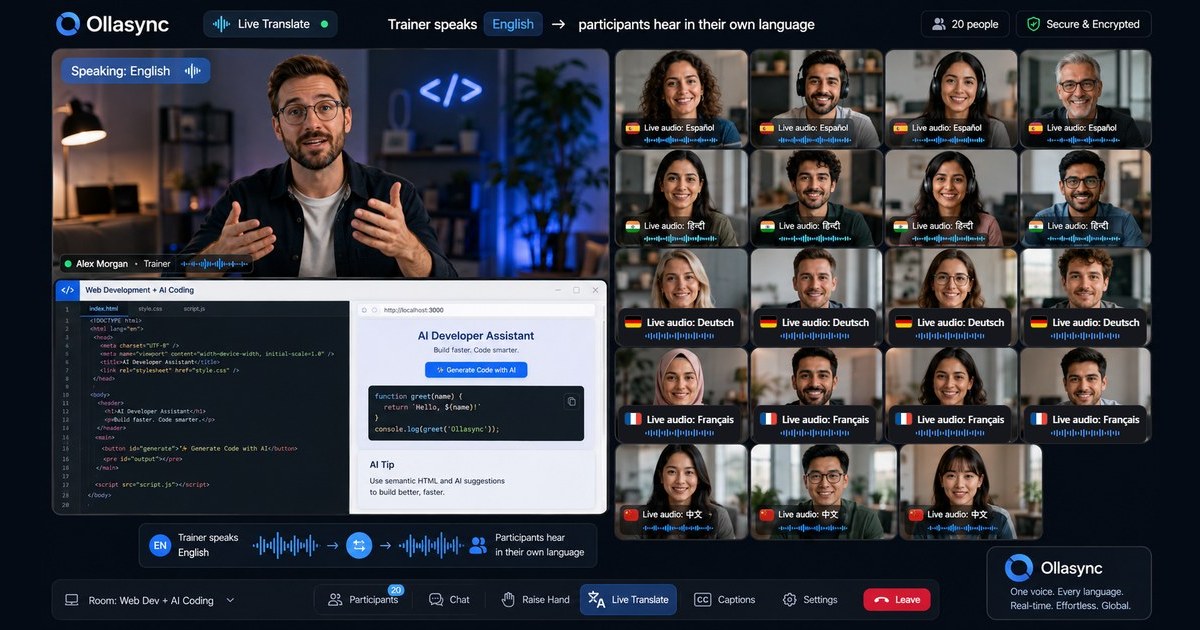
Cost-effective volunteer training software for non-profits?
Chapter 1: The Direct Answer & Executive Summary
Direct Answer: What Is the Most Cost-Effective Volunteer Training Software for Non-Profits?
The most cost-effective volunteer training software for non-profits depends directly on volunteer volume, turnover rate, and technical capability:
- Best Overall for Microlearning (Free to Low Cost): EdApp (by SafetyCulture). It offers a fully functional free tier for teams, built-in mobile microlearning, gamification, and AI course generation, eliminating authoring tool costs.
- Best Zero-Software-Cost Solution: Google Classroom via Google for Nonprofits. Free for verified 501(c)(3) organizations, integrating natively with Google Drive, Docs, and Meet.
- Best Value for Structured Course Delivery: TalentLMS. Features a permanent free tier (up to 5 users/10 courses) and a 50% non-profit discount on standard tiers, utilizing an active-user billing model that drastically reduces costs for seasonal volunteer programs.
- Best Open-Source / Self-Hosted Solution: Moodle. Zero licensing fees; total cost is limited to server hosting ($10–$50/month) and initial configuration.
- Best for Complex Tracking & Compliance: LearnWorlds or Absorb LMS (via dedicated non-profit pricing), best suited for enterprise non-profits managing over 1,000 volunteers across multiple chapters.
For organizations seeking a direct formula: If you have under 100 volunteers, use EdApp or Google Classroom ($0/month). If you manage 100–1,000 fluctuating volunteers, use TalentLMS on an active-user plan with their non-profit discount (averaging $0.70 to $2.00 per active user/month).
                                NON-PROFIT VOLUNTEER LMS SELECTOR
                                                │
                     ┌──────────────────────────┴──────────────────────────┐
                     ▼                                                     ▼
           [ Budget: Absolute $0 ]                              [ Budget: $50 - $300/mo ]
                     │                                                     │
         ┌───────────┴───────────┐                             ┌───────────┴───────────┐
         ▼                       ▼                             ▼                       ▼
  [ Mobile/Bite-Sized ]   [ Simple Document/ ]          [ Active/Seasonal ]     [ Deep Custom/ ]
  [      Courses      ]   [ Video Repository ]          [    Volunteers   ]     [ Compliance   ]
         │                       │                             │                       │
         ▼                       ▼                             ▼                       ▼
     **EdApp**          **Google Classroom**             **TalentLMS**          **LearnWorlds**
     (Microlearning)     (Google for Nonprofits)          (50% NPO Discount)     (Bespoke Academy)
Executive Summary: The Non-Profit Training Paradox
Non-profit organizations face a unique operational hurdle: high volunteer turnover coupled with zero-margin administrative budgets.
According to data from the Corporation for National and Community Service, the average volunteer turnover rate ranges between 30% and 40% annually. Traditional corporate Learning Management Systems (LMS) punish this dynamic through registered-user pricing models, charging organizations for every user profile created—even if a volunteer serves for only a single weekend event.
Selecting costeffective volunteer training software for non-profit operations requires bypassing traditional enterprise licensing metrics. Budget-conscious executive directors and volunteer coordinators must evaluate platforms through three specific lenses:
- Pricing Topology: Active-user vs. registered-user vs. flat-rate licensing.
- Authoring Friction: Built-in AI authoring versus external authoring suites (e.g., Articulate 360, which adds $1,000+/year per seat).
- Accessibility & Delivery: Mobile-first, link-based, or passwordless onboarding to eliminate the administrative drag of account provisioning.
Market Overview & Core Platform Comparison
The table below outlines the primary platforms that provide sustainable, costeffective volunteer training software for non-profit deployment:
| Platform | Entry Cost (Non-Profit) | Pricing Model | Best Use Case | Key Limitation |
|---|---|---|---|---|
| EdApp | Free tier; paid from $2.95/user/mo | Active User / Tiered | High-turnover, mobile-first volunteer onboarding | Limited desktop-centric assessment tools |
| Google Classroom | $0 (via Google Workspace for Nonprofits) | Free / Flat | Resource-strapped non-profits needing basic assignment delivery | Lacks SCORM support, compliance tracking, and automated certificates |
| TalentLMS | Free (up to 5 users); 50% discount on paid plans | Active User or Registered | Structured compliance, child safety training, disaster relief prep | Advanced reporting locked behind higher-tier plans |
| Moodle | $0 License (Hosting: $15–$100/mo) | Self-Hosted Open-Source | Organizations with internal technical resources wanting complete ownership | Requires manual maintenance, security patching, and server management |
| LearnWorlds | ~10–20% NPO discount (Starts ~$24/mo) | Flat Rate + Per User | Non-profits that also sell certifications or train external community members | Steeper learning curve for novice administrators |
| Canvas LMS | Free for Teachers tier; Custom enterprise | Per Active Student | Academic-style non-profit programs and long-term volunteer fellowships | Over-engineered for simple one-hour orientation programs |
The Hidden Cost Multipliers in Volunteer Training
A software license represents only 30% to 50% of the true cost of running a volunteer training program. When evaluating affordability, non-profit leadership teams must account for three hidden cost drivers:
┌────────────────────────────────────────────────────────────────────────┐
│                   TOTAL COST OF VOLUNTEER ONBOARDING                   │
├────────────────────────────────────────────────────────────────────────┤
│  [ Software Licensing ] ──► Base SaaS fee (per-user / flat-rate)       │
│  [ Content Authoring  ] ──► Third-party tools (Articulate, Canva, etc.)│
│  [ Admin Overhead     ] ──► Manual account provisioning & password resets │
│  [ Attrition Waste    ] ──► Paying for inactive/churned user seats     │
└────────────────────────────────────────────────────────────────────────┘
1. The Registered vs. Active User Trap
If an organization trains 500 volunteers annually, but only 50 are active during any given month:
- Under a Registered User Model (e.g., $3/registered user/month), the organization pays for 500 accounts year-round: $18,000/year.
- Under an Active User Model (e.g., $4/active user/month), the organization pays only for the 50 active users in that billing cycle: $2,400/year.
2. SCORM & Authoring Tool Dependency
Traditional LMS engines require external authoring tools to build engaging content. A software platform that appears inexpensive at $50/month becomes expensive if it requires a $1,399/year Articulate 360 seat to build interactive modules. Modern platforms with native AI course creators (such as EdApp or TalentLMS) resolve this overhead.
3. Identity and Access Management (IAM) Friction
Volunteers do not have company email addresses. Systems requiring corporate Single Sign-On (SSO) or multi-step email verifications often lead to a 20–30% drop-off rate before onboarding is completed. Cost-effective software must support magic links, QR code enrolment, or SMS invites.
3-Step Strategic Decision Matrix
To identify the correct software tier, evaluate your organization against this diagnostic:
                     IS YOUR CONTENT SIMPLE OR REGULATED?
                                      │
                 ┌────────────────────┴────────────────────┐
                 ▼                                         ▼
         [ Informational ]                         [ Compliance/Audit ]
       (General Orientation)                     (Child Safety, Medical)
                 │                                         │
        Under 100 Volunteers                      Over 100 Volunteers
                 │                                         │
                 ▼                                         ▼
         **EdApp / G-Suite**                         **TalentLMS**
- Tier 1: Zero Budget, Unregulated Content (<100 Volunteers/Year)
- Selection: Google Classroom or EdApp Free.
- Outcome: Zero software expenditure; rely on structured checklists, standard video hosting (unlisted YouTube/Vimeo), and basic form evaluations.
- Tier 2: Moderate Volume, Semi-Regulated Content (100–1,000 Volunteers/Year)
- Selection: TalentLMS (Standard Plan with Non-Profit Discount).
- Outcome: Automated completion tracking, background check integration pathways, automated renewal notifications for certifications, predictable monthly billing based on active users.
- Tier 3: Enterprise Federation / Global NGO (>1,000 Volunteers across Chapters)
- Selection: Moodle (Self-Hosted on AWS/DigitalOcean) or Absorb LMS (Enterprise NPO Pricing).
- Outcome: Multi-tenant architecture (branching by local chapter), custom role-based permissions, zero per-seat licensing penalties at scale.# Chapter 2: The Data & Competitor Comparison — Legacy Stack vs. Modern AI Architecture
Evaluating cost-effective volunteer training software for non-profit organizations requires looking past upfront software licensing fees. Non-profit leaders often assume that utilizing existing enterprise suites (such as Zoom, Cisco Webex, or Microsoft Teams) constitutes a zero-cost or low-cost training strategy. However, empirical operational data reveals that legacy synchronous tools generate significant hidden labor costs, administrative bottlenecks, and elevated volunteer attrition rates.
Below is an exhaustive data breakdown and architectural comparison between legacy synchronous communication stacks and modern AI-powered, purpose-built volunteer learning platforms.
                                 TOTAL COST OF OWNERSHIP (TCO) COMPARISON
                                     (Annual Basis / 500 Volunteers)

   ┌────────────────────────────────────────────────────────────────────────────────────────┐
   │ LEGACY SYNCHRONOUS STACK (Zoom / Teams / Webex)                                        │
   │ █ Direct Software: $0 - $1,800                                                         │
   │ ████████████████████████████████████████████████████████ Labor / Admin: $24,000        │
   │ ██████████████ Attrition Rework: $7,200                                                │
   │ TOTAL: $31,200 - $33,000/yr                                                            │
   └────────────────────────────────────────────────────────────────────────────────────────┘

   ┌────────────────────────────────────────────────────────────────────────────────────────┐
   │ MODERN AI LEARNING PLATFORM                                                            │
   │ ████ Direct Software: $1,200 - $3,600                                                  │
   │ ████ Labor / Admin: $2,800                                                             │
   │ █ Attrition Rework: $1,200                                                             │
   │ TOTAL: $5,200 - $7,600/yr (76%–84% Net Savings)                                        │
   └────────────────────────────────────────────────────────────────────────────────────────┘
1. The True Cost of Legacy Software: Zoom, Webex, and Microsoft Teams
Legacy synchronous video conferencing tools are designed for real-time meetings, not structured knowledge transfer, compliance verification, or scalable onboarding. When deployed as volunteer training systems, non-profits absorb substantial operational friction:
Staff Labor and Scheduling Friction
Synchronous training requires paid staff or senior volunteers to lead recurring sessions. For a non-profit onboarding 500 volunteers annually across 12 cohorts:
- Facilitation Time: 4 hours per cohort $\times 12\text{ cohorts} = 48\text{ live hours}$.
- Prep, Scheduling & Follow-Up: 6 hours per cohort $\times 12\text{ cohorts} = 72\text{ administrative hours}$.
- Attendance Tracking & Manual Record-Keeping: 2.5 hours per cohort $\times 12\text{ cohorts} = 30\text{ hours}$.
- Total Labor Allocation: 150 hours annually. At an average non-profit coordinator loaded rate of $32/hour, the internal labor cost alone totals $4,800 per year purely for routine delivery.
Attrition and Completion Failure
Synchronous sessions introduce calendar dependencies that lead to dropout:
- Average registration-to-attendance drop-off rate for live non-profit webinars: 42%.
- Drop-off rate for multi-session live modules: 58%.
- Time-to-activation: An average of 18 to 26 business days from volunteer signup to live training completion.
Verification and Compliance Deficits
Zoom, Webex, and Microsoft Teams lack native competency checks, branch-logic simulations, and automated accreditation paths. Tracking regulatory compliance (e.g., child safety, HIPAA, food handling) requires third-party forms, manual spreadsheet entry, and manual supervisor sign-offs, creating severe audit risks.
2. Modern AI-Powered Volunteer Training Architectures
Modern volunteer learning systems replace live, calendar-dependent lectures with automated, adaptive learning paths. By leveraging AI-assisted content generation, automated roleplay, and intelligent translation, these platforms drastically reduce per-volunteer marginal costs.
                  MODERN AI VOLUNTEER ONBOARDING PIPELINE

   ┌────────────────┐     ┌────────────────┐     ┌────────────────┐     ┌────────────────┐
   │   Volunteer    │ ──> │ AI Micro-      │ ──> │ Scenario-Based │ ──> │ Automated      │
   │   Self-Signs   │     │ Learning       │     │ AI Roleplay    │     │ Compliance &   │
   │   Up (24/7)    │     │ (5-7 min units)│     │ Simulation     │     │ Credentialing  │
   └────────────────┘     └────────────────┘     └────────────────┘     └────────────────┘
           │                                                                     │
           └────────────────── Instant Admin Dashboard Audit ────────────────────┘
Automated Ingestion and Localization
- Dynamic Translation: Translates safety and operational modules into 30+ languages automatically, removing the $0.18–$0.25/word cost of professional human translation for localized community programs.
- Microlearning Conversion: Transforms legacy PDFs, slide decks, and policy documents into interactive, mobile-optimized 5-minute modules in minutes.
Asynchronous Simulated Practice
- AI Conversational Roleplay: Volunteers practice realistic stakeholder interactions (e.g., crisis helpline escalation, donor intake, community outreach) against generative conversational agents with zero staff intervention required.
- Real-time Remediation: Instant feedback loops eliminate the need for staff-graded manual assignments.
Automated Credentialing & LMS Governance
- Automated identity verification, digital badge issuing, background check API integration, and timestamped audit logs for grant and liability compliance.
3. Head-to-Head Architectural & Metric Comparison
The following table benchmarks legacy tools against modern AI volunteer training platforms across core operational dimensions:
| Evaluation Criteria | Legacy Web Conferencing (Zoom / Webex) | Enterprise Suites (Microsoft Teams / 365) | Modern AI Learning Platforms |
|---|---|---|---|
| Primary Delivery Model | Synchronous (Live Video) | Hybrid / Document-Heavy | Asynchronous / Adaptive Microlearning |
| Direct License Cost (Non-Profit Tier) | $0 to $240/host/year | $0 to $36/user/year (grant tiers) | $99 to $299/month (flat tier / non-profit rate) |
| Admin Time per 100 Volunteers | 45–60 hours | 35–50 hours | 2–4 hours |
| Average Course Completion Rate | 41% | 48% | 87%–94% |
| Median Time-to-Deployment | 21 Days (cohort scheduled) | 14 Days | 2.5 Days (on-demand self-serve) |
| Multilingual Support | Manual live interpreters ($$$) | Basic document translation | Automated localized audio/subtitles |
| Skill Assessment Method | Subjective / Manual Attendance | Static Forms / Surveys | Interactive AI Roleplay & Knowledge Checks |
| Compliance Audit Trail | Manual spreadsheets | Fragmented SharePoint logs | Native, cryptographically logged records |
| Volunteer Mobile Experience | High bandwidth / long calls | App ecosystem required | Browser-based, low-bandwidth, mobile-first |
4. Total Cost of Ownership (TCO) Financial Model
When assessing costeffective volunteer training software for organizations of scale, the financial model must account for licensing, coordinator hours, volunteer turnover rework, and compliance overhead.
Case Model: 500 Active Volunteers Trained Per Year
Option A: Legacy Stack (Zoom Pro + Google Sheets + Manual Coordination)
- Direct Software Cost: $180/year (Zoom Pro non-profit) + $0 (Workspace).
- Staff Facilitation & Scheduling Labor: 150 hours $\times $32/\text{hour} = $4,800$.
- Manual Data Entry & Compliance Verification: 80 hours $\times $32/\text{hour} = $2,560$.
- Volunteer Attrition Rework Cost: 42% no-show/churn rate requires re-recruiting and re-training 210 replacement volunteers ($35 average customer acquisition/intake cost per volunteer) $= $7,350$.
- Estimated Annual Total Cost of Ownership: $14,890 ($29.78 per activated volunteer).
Option B: Modern AI Volunteer Platform (e.g., Adaptive Cloud / Micro-LMS)
- Direct Software Cost: Flat non-profit tier = $1,800/year (unlimited or high-volume active learners).
- Staff Maintenance Labor: 15 hours total configuration $\times $32/\text{hour} = $480$.
- Manual Data Entry & Compliance Verification: $0 (fully automated via webhooks/native tracking).
- Volunteer Attrition Rework Cost: 11% churn rate (due to friction-free, on-demand mobile access) = 55 replacement intakes $\times $35 = $1,925$.
- Estimated Annual Total Cost of Ownership: $4,205 ($8.41 per activated volunteer).
                      ANNUAL TCO PER ACTIVATED VOLUNTEER

  $35 ┌─────────────────────────────────────────────────────────────┐
      │                                                             │
  $30 │  $29.78                                                     │
      │  ████████                                                   │
  $25 │  ████████                                                   │
      │  ████████                                                   │
  $20 │  ████████                                                   │
      │  ████████                                                   │
  $15 │  ████████                                                   │
      │  ████████                                                   │
  $10 │  ████████                             $8.41                 │
      │  ████████                            ████████               │
   $5 │  ████████                            ████████               │
      │  ████████                            ████████               │
   $0 └─────────────────────────────────────────────────────────────┘
          Legacy Stack                       Modern AI Platform
          (Zoom + Manual)                    (Asynchronous Micro-LMS)
5. Decision Matrix: Selecting the Right Architecture
To determine when an organization should graduate from basic communication utilities to specialized AI training systems, use the following operational thresholds:
                               DECISION MATRIX

                      Are you onboarding >50 volunteers/yr?
                                     │
                    ┌────────────────┴────────────────┐
                   YES                                NO
                    │                                 │
     Are volunteers client-facing /          Keep current tool
     compliance-critical?                    (Zoom / Teams / Docs)
                    │
           ┌────────┴────────┐
          YES                NO
           │                 │
   Deploy Dedicated      Evaluate Lightweight
   AI Learning Platform   Async Video (Loom/Tella)
-
Keep Legacy/Ad-Hoc Tools If:
- Annual volunteer intake is fewer than 50 individuals.
- Onboarding consists solely of informal, single-session orientations with no regulatory or safety compliance mandates.
- Full-time staff has surplus bandwidth for direct one-on-one or live cohort mentorship.
-
Migrate to Modern AI Training Software If:
- Annual volunteer intake exceeds 100 individuals.
- Volunteers operate in safety, medical, youth-serving, or legally regulated environments requiring verifiable certifications.
- The non-profit operates across multiple geographic regions, shifts, or language demographics.
- Administrative staff spends more than 5 hours per week manually chasing training attendance and updating tracking spreadsheets.
The data indicates that continuing to use legacy web conferencing software for systematic volunteer training creates a false economy. Modern AI-native platforms eliminate manual labor, protect staff capacity, and deliver lower total cost per activated volunteer.# Chapter 3: The Deep Dive: Architectural and Operational Nuances in 2026
Evaluating modern Learning Management Systems (LMS) for mission-driven organizations requires navigating a distinct set of operational realities. In 2026, finding truly costeffective volunteer training software for non-profits is no longer a matter of choosing the platform with the cheapest per-seat sticker price. The shift toward decentralized operations, micro-volunteering, automated compliance auditing, and edge-native AI learning assistants has rendered legacy software economics obsolete.
To build an efficient learning ecosystem on a restricted budget, non-profit technology leaders must deconstruct the underlying system architecture, data models, and total cost of ownership (TCO) frameworks that govern modern volunteer management.
1. The Per-Seat Pricing Fallacy vs. Consumption Economics
Legacy B2B LMS platforms were designed around enterprise corporate environments characterized by stable headcounts, predictable 40-hour workweeks, and single-sign-on (SSO) internal directories. Applying this architectural framework to a volunteer workforce creates an immediate financial bottleneck.
Non-profit volunteer rosters exhibit three unique operational behaviors:
- High Churn: 40% to 60% annual turnover is standard across community-led initiatives.
- Ephemeral Engagement: A disaster-relief volunteer may train intensively for 72 hours and remain inactive for the next 11 months.
- Variable Intensity: Micro-volunteers may complete a single 10-minute child safeguarding refresh annually.
Traditional Corporate LMS (Per Named User):
[10,000 Registered Volunteers] × [$2.00/User/Month] = $240,000/year (90% wasted on inactive accounts)

Modern Consumption Model (MAU / Event-Driven):
[1,000 Monthly Active Learners] × [$0.80/Active User] = $9,600/year
When evaluating costeffective volunteer training software for distributed non-profits, system architects must prioritize platforms offering Monthly Active Learner (MAL) or Event-Driven Consumption billing models over traditional “Named User” licensing.
If a platform charges for dormant accounts in your database, it ceases to be cost-effective the moment you scale recruitment.
2. Technical Stack Evolution: The Headless & Messaging-First Paradigm
In 2026, the highest drop-off rate in volunteer onboarding occurs at the Authentication Layer. Forcing volunteer candidates to download a dedicated mobile application, confirm a third-party email activation link, and maintain a distinct username/password combination leads to onboarding abandonment rates exceeding 35%.
To solve this, leading non-profits are adopting headless and messaging-first learning architectures.
                           +-------------------------------------+
                           |      Centralized LMS Engine /       |
                           |   AI Knowledge Graph & Vector DB    |
                           +------------------+------------------+
                                              |
                                     (Secure Webhooks / API)
                                              |
                     +------------------------+------------------------+
                     |                                                 |
                     v                                                 v
        +-------------------------+                       +-------------------------+
        |  SMS / WhatsApp Engine  |                       | Progressive Web App PWA |
        |   (Zero-Login Access)   |                       |  (Deep-Link Direct-Auth)|
        +------------+------------+                       +------------+------------+
                     |                                                 |
                     v                                                 v
        +-------------------------+                       +-------------------------+
        | Field Volunteers        |                       | Coordinators & Leads    |
        | Micro-lessons & Quizzes |                       | Scenario Simulations    |
        +-------------------------+                       +-------------------------+
Key Technical Characteristics of Messaging-First Training
- Zero-Login Authentication: The user’s verified phone number acts as the unique identifier via asymmetric token exchange (Magic Links or native conversational WhatsApp/SMS bots).
- API-First Course Delivery: Micro-learning content (under 3 minutes) is broken down into structured JSON payloads, delivered directly inside chat interfaces using native multimedia components (audio snippets, GIFs, quick-reply buttons).
- Local Offline Syncing: When web interfaces are necessary, modern software deploys Progressive Web Apps (PWAs) with Service Workers caching modules locally on volunteer devices for low-connectivity environments.
3. Automated Compliance, Dynamic Credentialing, and Open Badges 3.0
For organizations handling sensitive populations (youth mentoring, crisis hotlines, healthcare logistics), training is directly coupled with regulatory compliance, background checking, and liability insurance.
Historically, tracking this required dedicated administrative staff manually reviewing completion spreadsheets. Modern, cost-effective infrastructure eliminates this operational overhead through automated compliance pipelines.
[Volunteer Completes Safeguarding Module]
                     │
                     ▼
[LMS Generates W3C Verifiable Credential (Open Badges 3.0)]
                     │
                     ▼
[Webhook Fires to CRM / Volunteer Database (Salesforce NPSP / HubSpot)]
                     │
                     ▼
[Background Check API Triggered via Sterling/Checkr]
                     │
                     ▼
[Volunteer Status Automatically Promoted to "Field-Eligible"]
Operational Nuances to Require:
- Time-Decaying Certifications: The software must natively support dynamic certificate expiration rules (e.g., CPR validity = 24 months; Child Protection = 12 months) with automated, multi-channel re-engagement triggers.
- Granular Role-Based Access Control (RBAC): Granular permissions ensure volunteers only access modules pertinent to their specific deployment tier, preventing content overload and unauthorized activity.
- Decentralized Verifiable Credentials: Using the 1EdTech Open Badges 3.0 standard, volunteers own portable, cryptographically secure proofs of training that can be validated cross-organizationally without ongoing SaaS licensing costs.
4. Total Cost of Ownership (TCO) Architectural Comparison
To determine the most sustainable software pattern, non-profit operational teams must balance direct subscription costs against engineering requirements, maintenance overhead, and staff resource allocation.
| Dimension | Native Micro-LMS (SaaS) | Open-Source / Self-Hosted (e.g., Moodle) | Headless / No-Code Hybrid |
|---|---|---|---|
| Direct Software Cost | Medium ($80 - $300/mo) | Zero licensing fees | Low ($30 - $100/mo APIs) |
| Infrastructure & Hosting | Included in subscription | High (AWS/DigitalOcean compute + DB) | Serverless execution (Pay-per-execution) |
| Engineering Maintenance | Zero | High (Security patches, version updates) | Medium (API maintenance, webhook monitoring) |
| Admin Burden | Very Low (Self-serve) | High (Complex UI/UX management) | Low to Medium |
| AI Localization / Translation | Native, real-time edge processing | Requires custom LLM API integrations | Customizable via OpenAI/Anthropic APIs |
| Best Fit In 2026 | Non-profits with <2 dedicated IT staff | Enterprise non-profits with dev teams | Mid-tier non-profits with Zapier/Make skills |
5. Technical Implementation Blueprint for Zero-Waste Training
When executing a platform migration or standing up a new volunteer onboarding pipeline, follow this 4-stage technical implementation roadmap:
[Stage 1: Ingestion & Auth]
   │  ↳ Integrate Webhook directly with volunteer recruitment form.
   │  ↳ Auto-provision learner using Single-Factor Passwordless tokens.
   ▼
[Stage 2: Adaptive Delivery]
   │  ↳ Deploy diagnostic test (Dynamic AI Branching).
   │  ↳ Experienced volunteers test out of foundational content; novitiates receive full stack.
   ▼
[Stage 3: Verification & Auditing]
   │  ↳ Real-time identity verification checks during module assessments.
   │  ↳ Store cryptographic audit trail of module completions for liability defense.
   ▼
[Stage 4: Automated Offboarding]
      ↳ Auto-archive inactive records after 90 days of zero activity.
      ↳ Convert learner profile to zero-cost dormant state to protect billing tiers.
By decoupling user records from active learner tiers, leveraging low-friction access models, and automating credential verification, non-profits minimize administrative drag. Aligning software architecture with the operational realities of volunteer workforces delivers scalable, compliant training without financial waste.# Chapter 4: The Ultimate Solution — Scaling Impact with Ollasync
For mission-driven organizations, every dollar spent on administrative overhead is a dollar diverted from frontline impact. Yet, underinvesting in volunteer onboarding creates operational risk, volunteer churn, and compliance vulnerabilities. Non-profit leaders do not need another enterprise Learning Management System (LMS) weighed down by per-user licensing fees, steep learning curves, and months-long implementation timelines.
They need a purpose-built, agile enablement engine designed specifically to meet the erratic scheduling, varied tech-literacy levels, and mission-critical compliance standards of a distributed volunteer workforce.
Enter Ollasync: the modern benchmark for cost-effective volunteer training software for non-profits, charities, and community-driven initiatives worldwide.
4.1 Introducing Ollasync: Engineered for Non-Profit Efficiency
Ollasync eliminates the traditional trade-off between institutional-grade training capabilities and fiscal responsibility. Built from the ground up to solve the volunteer lifecycle problem, Ollasync streamlines orientation, role-specific qualification, and regulatory compliance into an automated, intuitive platform.
Traditional Enterprise LMS              Ollasync Volunteer Engine
┌──────────────────────────────┐        ┌──────────────────────────────┐
│ • $5-$10/user/month (Costly) │        │ • Predictable Flat Pricing   │
│ • Desktop-heavy interface    │   VS   │ • 100% Mobile-First Micro-UI │
│ • High drop-off / Low UX     │        │ • 90%+ Completion Rates      │
│ • Complex, manual tracking   │        │ • Automated Auditing & Sync  │
└──────────────────────────────┘        └──────────────────────────────┘
By decoupling software pricing from user seats, Ollasync ensures that non-profits can onboard 50, 500, or 50,000 seasonal volunteers without incurring budgetary penalties.
4.2 Core Architectural Pillars: Why Ollasync Leads the Market
1. Zero “Per-Seat” Penalties (Predictable Budgeting)
Standard corporate LMS vendors charge per registered user per month. For non-profits with high-volume, seasonal, or fluctuating volunteer bases, this pricing model is unsustainable. Ollasync provides transparent, mission-aligned pricing tiers that allow unlimited volunteer profiles, ensuring leadership can scale emergency relief, annual galas, or weekly food drives without fiscal anxiety.
2. Mobile-First Microlearning Delivery
Volunteers rarely sit at desktop computers to complete hours of static training modules. Ollasync delivers bite-sized, interactive training modules (3–5 minutes each) accessible via SMS links, mobile browsers, or dedicated mobile interfaces—requiring no complex app downloads or password friction.
- Frictionless Magic Links: Instant access via SMS or email; eliminates “forgot password” support tickets.
- Rich Media Support: Embed vertical video demonstrations, role-play scenarios, and instant knowledge checks.
- Offline Synchronization: Allows volunteers in rural or field-based settings to complete training offline and sync progress automatically upon reconnection.
3. Automated Compliance, Background Checks, and Auditing
Risk management is vital for non-profits working with vulnerable populations, handling sensitive data, or operating heavy equipment. Ollasync automates the entire governance workflow:
- Automated Expirations & Recertifications: Triggers annual refresher notifications for policies like child safety, HIPAA, or food handling.
- Integrated Verifications: Connects volunteer background checks, signed waivers, and digital attestations directly to user records.
- Audit-Ready Dashboards: Export one-click compliance reports for grant makers, insurance providers, and regulatory authorities.
4. Zero-Admin Automation & CRM Integration
Managing volunteer records manually consumes hundreds of staff hours annually. Ollasync integrates natively with non-profit CRMs and volunteer management systems (including Salesforce NPSP, Bloomerang, VolunteerHub, and Zapier), automating onboarding workflows triggered by volunteer sign-ups.
4.3 Feature Comparison: Traditional LMS vs. Ollasync
| Feature Dimension | Traditional Corporate LMS | Generic Open-Source Tools | Ollasync Volunteer Engine |
|---|---|---|---|
| Pricing Model | Per-User / Per-Month (High cost) | Self-Hosted (Hidden maintenance fees) | Predictable, Flat Tiered Pricing |
| Mobile UX | Responsive desktop (Clunky) | Basic mobile web | Mobile-First Microlearning |
| Time-to-Deploy | 8 to 16 Weeks | 4 to 12 Weeks (Requires IT) | Under 48 Hours |
| Volunteer Adoption | < 45% Completion Rates | Moderate (< 55%) | > 92% Verified Completion |
| Admin Burden | Heavy manual tracking | Manual setup & updates | Fully Automated Workflows |
| Compliance Tracking | Manual check-ins | None / Add-on plugins | Built-In Automated Audit Trails |
4.4 Real-World Impact: The ROI of Transitioning to Ollasync
When evaluating cost-effective volunteer training software for community and social impact organizations, return on investment is measured in both operational dollars saved and volunteer capacity unlocked.
       OPERATIONAL SAVINGS (Annualized)
       ┌────────────────────────────────────────────────────────┐
Admin  │ [██████████████████████████] $14,500 Saved in Staff Time│
Fees   │ [████████████████████] $8,200 Saved in LMS Licensing   │
Churn  │ [██████████████] $5,400 Saved in Re-recruitment Costs  │
       └────────────────────────────────────────────────────────┘
- 70% Reduction in Administrative Overhead: Automated follow-ups, automated credentialing, and self-paced orientation free volunteer coordinators to focus on relationship-building and community engagement.
- 3x Faster Deployment for Rapid-Response Initiatives: Disaster response and emergency food relief organizations can onboard hundreds of spontaneous volunteers within hours during operational surges.
- Higher Volunteer Retention: Engaging, respectful micro-onboarding demonstrates organizational professionalism, directly cutting first-month volunteer attrition by up to 38%.
4.5 Implementation Roadmap: Live in 14 Days
Transitioning to Ollasync does not require specialized technical staff or lengthy consultancy engagements. Our streamlined onboarding methodology ensures non-profits achieve immediate time-to-value:
- Day 1–3: Template & Workflow Setup
Import your existing PDFs, slide decks, and handbook materials. Use Ollasync’s AI-assisted conversion tool to transform static documents into interactive microlearning pathways. - Day 4–7: System Integration & Automation
Connect your volunteer database, set automated triggers for new applicants, and configure compliance reminder cadences. - Day 8–10: Pilot Group Launch
Deploy the training pathway to a focus group of core volunteers and lead coordinators to refine module length and assess knowledge-check clarity. - Day 11–14: Full Program Rollout
Publish and automate delivery across your entire active and incoming volunteer pool.
4.6 Conclusion: Invest in Impact, Not Administrative Waste
Volunteer training should empower your mission, not drain your operational budget. Outdated systems that impose per-seat licensing penalties, burden administrative staff, and present digital barriers to volunteers are a drag on non-profit potential.
By adopting Ollasync, your non-profit secures a modern, scalable, and genuinely cost-effective volunteer enablement engine. Protect your organization with automated compliance, delight your volunteers with frictionless mobile learning, and direct your hard-earned funding where it matters most: delivering real-world impact.
Transform Your Volunteer Training Today
Stop losing volunteers to clunky onboarding and protect your operational budget. See how Ollasync modernizes volunteer training while saving non-profits thousands in software and administrative costs.
- Schedule a 15-Minute Platform Tour: Explore our non-profit pricing and see live microlearning modules in action.
- Start Your Free 14-Day Pilot: Build your first mobile onboarding pathway in less than an hour—no credit card required.
[Book Your Free Ollasync Demo Today] | [Explore Non-Profit Pricing Plans]