Why is GoToWebinar so expensive and what are the modern alternatives?
A comprehensive, data-backed answer to: Why is GoToWebinar so expensive and what are the modern alternatives?
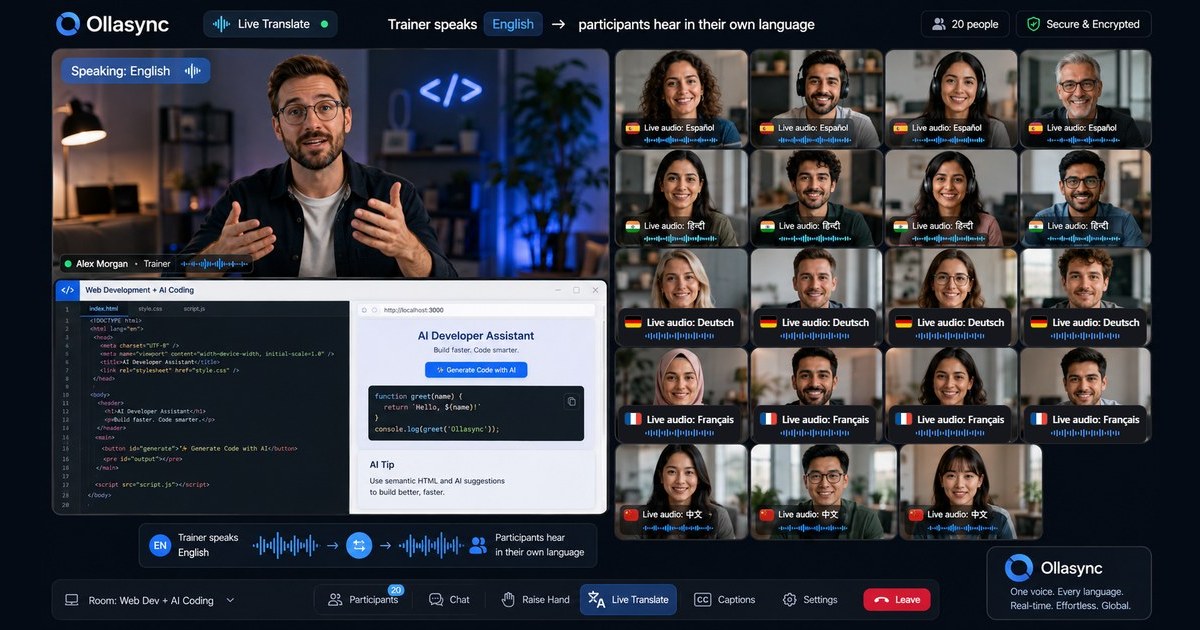
Why is GoToWebinar so expensive and what are the modern alternatives?
Chapter 1: The Direct Answer & Executive Summary
The Direct Answer (BLUF): Why GoToWebinar Costs More & What to Use Instead
GoToWebinar is expensive because it operates on a legacy software delivery model built in the early 2000s. Its high pricing structure—ranging from $49 to over $399 per organizer/month (billed annually) with sharp jumps at scale—stems from three structural factors:
- Legacy Infrastructure Overhead: GoToWebinar relies on heavy desktop client architectures rather than lightweight, modern WebRTC protocols, requiring costly ongoing maintenance of native applications across operating systems.
- Attendee-Gated Monetization: The platform enforces strict participant tiers (e.g., 100, 250, 500, 1,000, 3,000 attendees). Exceeding these thresholds locks out attendees or triggers punitive overage pricing and forced tier upgrades.
- Feature Fragmentation & Add-On Monetization: Core capabilities that are standard in modern platforms—such as automated funnel workflows, multi-track hosting, continuous engagement engines, and deep bidirectional CRM syncs—are either gated behind higher enterprise tiers or missing entirely.
For marketing, sales, product demo, and corporate training teams, modern gotowebinar alternatives deliver superior engagement rates, browser-native accessibility (zero downloads), and lower total cost of ownership (TCO).
Top GoToWebinar Alternatives by Use Case
- Best for B2B Demand Gen & Marketing: Livestorm or Demio (browser-based, dynamic analytics, native hubspot/salesforce automations).
- Best for Automated/Asynchronous Evergreen Demos: eWebinar (turnkey automated webinars with live chat offloading).
- Best for Enterprise Scale & Large Conferences: Goldcast (built for B2B marketers) or Airmeet (interactive networking lounges and virtual summits).
- Best for Low-Cost Live Utility: Zoom Events / Zoom Webinars (ubiquitous UI, massive scale per dollar).
The Anatomy of Legacy SaaS Pricing: Deconstructing the “GoToWebinar Tax”
To understand why GoToWebinar remains one of the most expensive solutions per attendee on the market, it is necessary to examine how legacy SaaS unit economics differ from modern cloud-native architectures.
+-------------------------------------------------------------------------+
|                  THE LEGACY VS. MODERN WEBINAR STACK                    |
+-------------------------------------------------------------------------+
| LEGACY (GoToWebinar)                   MODERN ALTERNATIVES               |
| - Desktop Application Installs (.exe/.app)| - 100% Browser-Native (WebRTC)      |
| - High Latency / RTMP Transcoding Delay  | - Real-time Ultra-Low Latency (<1s) |
| - Rigid Per-Organizer/Seat Licensing   | - Flexible Registration/Usage Pools |
| - Siloed Event Data (Exported CSVs)    | - Real-time Event Data Graph to CRM |
| - Passive "Push" Content Delivery      | - Interactive "Bi-Directional" UX   |
+-------------------------------------------------------------------------+
1. The Per-Seat, Per-Attendee Chokepoint
GoToWebinar charges organizations simultaneously for organizers (hosts) and hard participant limits. In traditional B2B marketing, event registration-to-attendance rates hover around 30% to 45%. Under GoToWebinar’s pricing model:
- If 1,200 people register for an event, an enterprise must buy the Pro or Enterprise Plan (up to 3,000 participants) to ensure safety against capacity cutoffs, even if only 450 people attend live.
- You pay for potential peak capacity rather than consumed capacity or business outcomes.
Modern platforms decouple backend costs using ephemeral serverless architecture and WebRTC mesh/SFU (Selective Forwarding Unit) media servers, allowing for flexible billing based on actual usage, active monthly attendees, or unlimited seats with pooled registrants.
2. The Conversion-Killing Friction of Legacy Downloads
GoToWebinar’s historical reliance on local executable launchers (.jnlp or .exe helper applications) creates high drop-off rates:
- Corporate firewalls and zero-trust IT environments frequently block attendees from downloading the desktop client.
- Mobile users are redirected to app stores instead of entering the room directly via a browser link.
- Economic impact: Companies paying top dollar for GoToWebinar licenses suffer degraded marketing ROI because a portion of their paid pipeline never makes it past the installation screen.
3. Engineering Stagnation vs. Enterprise Margins
GoTo (formerly LogMeIn) has repeatedly restructured its portfolio through private equity acquisitions and spin-offs. Under private equity management, mature legacy applications are optimized for margin extraction rather than disruptive R&D. Consequently:
- Pricing increases are implemented to extract maximum lifetime value (LTV) from captive enterprise contracts that have not yet undergone digital migration.
- Product development focuses on maintenance, security patches, and minor UI updates rather than foundational shifts (e.g., AI-driven interaction, interactive embeds, in-webinar conversion engines).
Executive Comparison: GoToWebinar vs. Modern Alternatives
The table below outlines the operational, structural, and financial differences between GoToWebinar and the top modern alternatives.
| Platform | Primary Use Case | Starting Price (Approx.) | Access Method | Key Differentiator vs. GoToWebinar |
|---|---|---|---|---|
| GoToWebinar | Legacy Corporate Broadcasts | $49 to $399+/mo | Desktop app / Browser hybrid | Brand recognition, legacy enterprise procurement pathways. |
| Demio | Marketing & Lead Generation | $59/mo | 100% Browser (WebRTC) | Interactive conversion elements (in-room CTAs, handouts), modern UI. |
| Livestorm | End-to-End Event Management | $99/mo (or Free tier) | 100% Browser (WebRTC) | Automated workflows, native integrations, deep CRM enrichment. |
| eWebinar | Automated / Evergreen Webinars | $99/mo | 100% Browser (WebRTC) | Pre-recorded videos with dynamic live chat, automated 24/7 funnels. |
| Goldcast | B2B Demand Gen & Field Marketing | Custom (~$10k+/yr) | 100% Browser (WebRTC) | Enterprise ABM targeting, digital swag, instant post-event video clips. |
| Airmeet | Interactive Events & Communities | $199/mo (or Free tier) | 100% Browser (WebRTC) | Virtual tables, networking speed-dating, multi-track stages. |
| Zoom Webinars | General Utility & Large Audience | $79/mo (per license) | Desktop app / Browser | Lowest cost per live attendee; ubiquitous globally across all personas. |
The Strategic Shift: From Passive Broadcasts to Interactive Pipeline Engines
The core issue driving the migration away from GoToWebinar is not merely the monthly invoice—it is the opportunity cost of outdated engagement mechanics.
Legacy platforms view webinars as one-way television broadcasts: a speaker presents slides, and attendees listen silently with a minimal Q&A box. Modern alternatives view webinars as interactive conversion spaces.
LEGACY MINDSET:
Registration Page -> Calendar Invite -> Download Client -> Watch Broadcast -> Download CSV -> Sales Follow-Up (3 Days Later)

MODERN WEBINAR ENGINE:
One-Click URL -> Instant In-Browser Stream -> Live Polls/CTAs/Widgets -> Real-Time Intent Score to CRM -> Instant Automated SDR Trigger
By switching to modern alternatives, organizations realize three immediate operational advantages:
- Higher Show-Up Rates: Frictionless, zero-download access via browser links increases average event attendance by 15% to 30%.
- Actionable First-Party Data: Instead of a generic list of attendees who stayed for $X$ minutes, modern alternatives capture granular engagement telemetry (e.g., “Lead A clicked the pricing CTA, answered Poll B with ‘Urgent’, and downloaded the whitepaper”).
- Automated Repurposing and Asynchronous Delivery: Pre-recorded and automated evergreen options eliminate the operational drag of hosting repetitive live demonstrations, scaling pipeline generation 24/7 without taxing personnel.
Summary of the Replacement Strategy
For teams currently evaluating their webinar tech stack, replacing GoToWebinar requires assessing your dominant use case:
- If your goal is marketing pipeline generation, choose a browser-native conversion platform like Demio or Livestorm.
- If your goal is scaling demos without live staff, deploy eWebinar.
- If your goal is enterprise-grade B2B conferences with robust ABM attribution, evaluate Goldcast.
- If your goal is minimizing software spend for basic internal/external meetings, transition to Zoom Webinars.
Subsequent chapters in this guide analyze platform pricing, feature parity, deliverability mechanics, and step-by-step migration frameworks to help you transition away from GoToWebinar.# Chapter 2: The Data & Competitor Comparison
Evaluating modern gotowebinar alternatives requires looking past superficial feature checklists to examine the Total Cost of Ownership (TCO), attendee drop-off metrics, and post-event pipeline generation.
Legacy webinar software relies on pricing models designed over a decade ago—charging steep premiums for basic attendee capacities while forcing participants through clunky desktop client downloads. Below is an objective, data-driven comparison of legacy enterprise platforms against the modern, browser-based, AI-native platforms redefining B2B event marketing.
The Total Cost of Ownership (TCO) Reality
GoToWebinar’s pricing tiers increase exponentially based on registration or attendee seat counts:
- Lite / Starter: ~$49–$89/month (Billed annually, capped at 100–250 participants)
- Standard / Pro: ~$199–$249/month (Up to 500 participants)
- Enterprise: ~$399–$499/month (Up to 1,000–3,000 participants; often exceeding $5,000–$10,000+ annually)
The Hidden Costs of Legacy Infrastructure
- Attendance Friction Tax: Requiring attendees to download a
.exeor.pkgclient causes a measurable 15% to 28% drop-off at the moment of log-in, especially for enterprise buyers locked behind corporate firewalls. - Post-Production Overhead: Legacy tools output raw
.mp4files. Repurposing this footage into social clips, blog summaries, and email nurture sequences requires external video editors, copywriters, and third-party tools, adding an estimated $400–$1,200 per event in labor. - Over-Capacity Penalties: Legacy providers either lock late-joining registrants out of high-performing events or automatically force accounts into higher annual pricing tiers without dynamic billing adjustments.
Feature & Performance Comparison Matrix
The following matrix compares GoToWebinar against both legacy competitors (Zoom, Webex, Microsoft Teams) and modern AI-native platforms (e.g., Goldcast, Livestorm, Demio, Contrast).
| Feature / Metric | GoToWebinar | Legacy Suite (Zoom / Webex / Teams) | Modern AI Platforms (Livestorm, Goldcast, Demio) |
|---|---|---|---|
| Primary Delivery Architecture | Desktop Client (Download-heavy) | Desktop Client / Hybrid Browser | 100% Web-based (WebRTC / No download) |
| Pricing Baseline (Annual) | High ($1,000 – $6,000+) | Low to Mid ($240 – $3,500) | Mid ($900 – $4,500) |
| AI Content Engine | None / Third-party add-on | Basic Transcription / Summary | Built-in (Clips, Newsletters, Key Takeaways) |
| Registration-to-Show Ratio | Lower (30%–38% average) | Moderate (35%–45% average) | Higher (45%–60% average) |
| Audience Engagement Tech | Basic Polls, Hand Raise, Q&A | Standard Chat, Polls, Breakouts | Live Emoji Streams, Dynamic Widgets, On-Stage Invites |
| Branding Customization | Low (Generic layouts, fixed logos) | Moderate (Custom backgrounds, basic themes) | Full (Studio-grade overlays, fonts, dynamic layouts) |
| CRM/RevOps Attribution | Basic API Sync (Sync delays common) | Standard Hubspot/Salesforce integrations | Bidirectional, intent-based event logging |
Legacy Alternatives: The Incumbents
When organizations migrate away from GoToWebinar, they typically look at three legacy enterprise communication suites first.
┌────────────────────────────────────────────────────────────────────────┐
│                        LEGACY PLATFORM TRADEOFFS                       │
├─────────────────┬──────────────────────────────────────────────────────┤
│ Zoom Webinars   │ High user familiarity  │ Generic UI, weak repurposing│
│ Cisco Webex     │ Enterprise security    │ Bloated UX, high complexity │
│ Microsoft Teams │ Bundled in Office 365  │ Low marketing customization │
└─────────────────┴────────────────────────┴─────────────────────────────┘
1. Zoom Webinars & Events
- The Case For: Universal adoption. Nearly every enterprise user has Zoom installed, reducing technical friction compared to GoToWebinar. Tiered pricing starts significantly lower (approx. $79/month/license for 500 attendees).
- The Case Against: It remains a video-conferencing tool adapted for events. The visual experience feels like an internal corporate meeting, lacking custom brand architecture, interactive staging, and integrated marketing workflows.
2. Cisco Webex Webinars
- The Case For: Webex matches government and financial-grade compliance (FedRAMP, HIPAA) with end-to-end encryption.
- The Case Against: Outdated user experience, expensive add-ons, and excessive administrative controls that burden demand-generation marketers with high technical overhead.
3. Microsoft Teams (Live Events & Webinars)
- The Case For: Often included in an enterprise’s existing Microsoft 365 subscription, offering effectively “free” infrastructure.
- The Case Against: Lacks pipeline attribution features, lead qualification tools, dynamic registration pages, and modular engagement options. Teams is an internal productivity tool, not a conversion-focused event platform.
Modern Alternatives: Browser-First & AI-Native
The newer wave of gotowebinar alternatives shifts the focus from simple video distribution to end-to-end event execution, audience retention, and automatic content multiplication.
                 MODERN WEBINAR VALUE ENGINE

  ┌──────────────┐      ┌──────────────┐      ┌──────────────┐
  │  No-Download │ ───► │  In-Session  │ ───► │ AI-Generated │
  │ Frictionless │      │ Intent-Data  │      │  Multi-Asset │
  │  Log-In (4K) │      │ Capture / CRM│      │ Distribution │
  └──────────────┘      └──────────────┘      └──────────────┘
1. Zero-Friction Frictionless Entry (WebRTC)
Platforms like Livestorm and Demio run entirely within modern web browsers on desktop, tablet, and mobile. Removing software installers:
- Eliminates corporate IT blocking.
- Boosts average show-up rates by 12% to 20%.
- Supports instant, magic-link one-click entry from email notifications.
2. Built-in Generative AI Workflows
Legacy tools leave marketers with an archival video file that sits untouched. Modern platforms (such as Goldcast or Contrast) integrate generative AI directly into the post-event dashboard:
- Automated Short-Form Video: Extracts high-engagement speaker segments, auto-frames faces, and embeds stylized captions for LinkedIn, YouTube Shorts, and TikTok.
- Automated Written Assets: Converts the webinar transcript into structured SEO blog drafts, key takeaway summaries, executive emails, and timestamped show notes within minutes.
- Time Savings: Cuts post-webinar production workflows from 6–8 hours down to under 15 minutes.
3. Account-Level Intent & Modern RevOps Telemetry
GoToWebinar records simplistic metrics (attendance duration, binary poll answers). Modern platforms measure Account-Based Marketing (ABM) engagement:
- Granular engagement scores mapped directly to target accounts.
- Real-time triggers sent to HubSpot, Salesforce, or Marketo (e.g., “Target VP clicked product demo CTA at minute 34”).
- Dynamic pipeline attribution that ties direct-influenced revenue to specific speakers and topics.
The Verdict: Which Alternative Fits Your Stack?
┌─────────────────────────────────────────────────────────────────────────┐
│                      MIGRATION DECISION FRAMEWORK                       │
├───────────────────────┬─────────────────────────────────────────────────┤
│ Target Scenario       │ Recommended Platform Direction                  │
├───────────────────────┼─────────────────────────────────────────────────┤
│ Tight Budget / Utility│ Zoom Webinars                                   │
│ Internal / Company-Wide│ Microsoft Teams Live Events                     │
│ B2B Pipeline & ABM    │ Modern AI Platform (Goldcast, Livestorm, Demio) │
│ Regulated Enterprise  │ Cisco Webex Webinars                            │
└───────────────────────┴─────────────────────────────────────────────────┘
- Choose Zoom if your only priority is utility-level broadcasting at the lowest cost per seat, and brand presentation is secondary.
- Choose Microsoft Teams if your events are internal, training-focused, or limited strictly to existing enterprise customers within your Microsoft ecosystem.
- Choose a Modern AI/Browser Platform if your webinars are a demand-generation engine where attendee show-up rates, brand immersion, multi-channel repurposing, and CRM pipeline attribution drive revenue.## Chapter 3: The Deep Dive: Legacy Technical Debt vs. Modern Webinar Architectures
Understanding why GoToWebinar remains one of the most expensive platforms on the market requires looking under the hood of enterprise video streaming architecture. GoToWebinar was engineered in an era dominated by downloadable desktop clients, proprietary signaling protocols, and hybrid Public Switched Telephone Network (PSTN) audio bridges.
Maintaining this legacy architecture in 2026 requires massive capital expenditures. Modern gotowebinar alternatives bypass these operational costs by leveraging browser-native protocols, distributed cloud edge infrastructure, and serverless delivery pipelines. When you pay for GoToWebinar, you are largely paying an infrastructure tax for technical debt rather than modern product innovation.
1. The Cost Breakdown: Why GoToWebinar Remains Exceptionally Expensive
To understand the price disparity, we must examine the cost centers baked into GoToWebinar’s pricing topology compared to modern platforms.
+-------------------------------------------------------------------------+
|                  LEGACY COST ENGINE (GoToWebinar)                       |
|  [PSTN Dial-in Bridges] + [Proprietary MCU Servers] + [Static Tiering]   |
|                                    ▼                                    |
|                      HIGH INFRASTRUCTURE OVERHEAD                       |
+-------------------------------------------------------------------------+
                                    vs.
+-------------------------------------------------------------------------+
|                  MODERN COST ENGINE (WebRTC / Cloud-Native)             |
|  [Browser-Native APIs]  +  [Global Edge SFU Networks] +  [Dynamic Scale] |
|                                    ▼                                    |
|                      LEAN, USAGE-BASED EFFICIENCY                       |
+-------------------------------------------------------------------------+
A. Centralized Multipoint Control Units (MCU) vs. Selective Forwarding Units (SFU)
GoToWebinar’s foundational streaming stack historically relied on heavy MCU processing. In an MCU environment, the central server receives video and audio streams from every presenter, decodes them, composites them into a single video grid, re-encodes the stream, and broadcasts it to attendees.
- The Operational Impact: Heavy video transcode operations run continuously on dedicated compute instances, creating immense compute costs per streaming hour.
- The Modern Alternative: Contemporary platforms utilize Selective Forwarding Units (SFU) or hybrid WebRTC-to-HLS/CMAF (Common Media Application Format) pipelines. SFUs do not decode or re-encode video at the media server level; they inspect and route individual media streams directly to endpoints. This reduces server-side CPU overhead by up to 80%, directly lowering the base operational cost.
B. Legacy PSTN/Toll-Free Audio Routing Infrastructure
GoToWebinar still maintains deep integration with legacy telecommunications carriers to provide dial-in phone numbers across dozens of countries.
- The Operational Impact: Maintaining global carrier interconnect agreements, physical SIP gateways, and fallback toll-free routing costs millions annually. GoToWebinar amortizes this fixed telecom footprint across its user base, billing all subscribers regardless of whether their audiences use browser audio (VoIP) or cellular dial-in.
- The Modern Alternative: Browser-native alternatives prioritize 100% WebRTC Opus audio with adaptive jitter buffers and acoustic echo cancellation (AEC). By eliminating carrier-grade PSTN trunks, modern vendors eliminate one of the largest hidden line items in legacy web conferencing balance sheets.
C. Arbitrary Capacity Paywalls and Inflexible Tiering
GoToWebinar enforces rigid attendee caps (e.g., 250, 500, 1,000, or 3,000 attendees). If an enterprise anticipates 550 attendees, it must upgrade to the 1,000-seat tier, paying a 100% premium for 45% unallocated capacity.
- The Problem: You pay for potential concurrent capacity, not realized resource consumption.
- The Modern Alternative: Leading modern platforms feature dynamic concurrency scaling, event-based licensing, or host-based billing where attendee scaling is detached from punitive tier cliffs.
2. Architectural Comparison: Legacy Stack vs. 2026 Modern Alternatives
The technical delta between legacy platforms and contemporary gotowebinar alternatives dictates not only cost, but also end-user latency, drop-off rates, and engineering reliability.
| Feature / Architecture | GoToWebinar (Legacy Stack) | Modern Alternatives (Cloud-Native WebRTC/CMAF) |
|---|---|---|
| Client Delivery | Downloadable client launcher / Sandboxed iframe | 100% Zero-install WebSockets & WebRTC |
| Media Pipeline | Centralized MCU Transcoding | Edge-distributed SFU + Low-Latency HLS (LL-HLS) |
| Data Synchronization | Polling architecture (REST intervals) | Real-time bi-directional WebSockets/gRPC |
| Video Codecs | H.264 legacy baseline | VP9, AV1, and dynamic SVC (Scalable Video Coding) |
| AI Integration | Bolt-on post-processing (slow batch) | Real-time edge inference (live captions, instant auto-clips) |
| MAP/CRM Sync | Static field mapping via webhooks/middleware | Bi-directional streaming sync to Data Cloud/CDP |
3. The 2026 Taxonomy of GoToWebinar Alternatives
When enterprise IT buyers and RevOps leaders replace GoToWebinar, they generally select from three distinct architectural tiers:
                  ┌─────────────────────────────────────────┐
                  │       ENTERPRISE WEBINAR BUYERS         │
                  └────────────────────┬────────────────────┘
                                       │
         ┌─────────────────────────────┼─────────────────────────────┐
         ▼                             ▼                             ▼
┌──────────────────┐          ┌──────────────────┐          ┌──────────────────┐
│ MARKETING-FIRST  │          │   STUDIO-FIRST   │          │ ENTERPRISE-SCALE │
│  ENGAGEMENT ENGINES│        │ BROADCAST STACKS │          │ ECOSYSTEM SUITES │
├──────────────────┤          ├──────────────────┤          ├──────────────────┤
│ Goldcast         │          │ Riverside.fm     │          │ Zoom Events      │
│ Livestorm        │          │ StreamYard       │          │ Microsoft Teams  │
│ Demio            │          │ Restream         │          │ Webex Events     │
└──────────────────┘          └──────────────────┘          └──────────────────┘
Tier 1: Marketing-First Engagement Engines (e.g., Goldcast, Livestorm, Demio)
- Core Value: Replaces static slide shares with dynamic interactive stages, deep Hubspot/Salesforce/Marketo bi-directional integrations, and granular intent scoring.
- Technical Differentiation: These platforms treat every attendee action—chat messages, poll clicks, question upvotes, and stage watch-time—as an atomic data point. Rather than sending a basic
"attended: true"webhook to your CRM, they stream behavioral events directly into your Marketing Operations (MOPs) pipeline in real time. - Target Fit: B2B Demand Generation, Account-Based Marketing (ABM), and revenue teams focused on pipeline attribution.
Tier 2: Studio-First Cloud Production Stacks (e.g., Riverside.fm, StreamYard, Restream)
- Core Value: Professional broadcast-grade video quality without high production overhead.
- Technical Differentiation: Leverages local client-side recording (independent of internet bandwidth dips) paired with cloud-switched rendering engines. Presenters broadcast in up to 4K local fidelity with dynamic overlays, lower-thirds, and multi-destination RTMP pushing (e.g., streaming simultaneously to LinkedIn Live, YouTube, and private landing pages).
- Target Fit: Media teams, brand marketers, and developers prioritizing high production value, multi-channel distribution, and content repurposing.
Tier 3: Enterprise-Scale Collaboration Ecosystems (e.g., Zoom Events, Microsoft Teams Live/Mesh)
- Core Value: Centralized identity management, global reliability, and unified software procurement.
- Technical Differentiation: Tight operating-system-level optimization, native SAML/SSO directory integrations, and extensive software validation frameworks.
- Target Fit: IT-governed enterprise deployments prioritizing compliance (FedRAMP, SOC2 Type II, ISO 27001) over specialized demand-generation workflows.
4. Operational Migration: Moving Off Legacy Infrastructure
Transitioning from GoToWebinar to a modern alternative requires an operational blueprint that preserves marketing pipeline continuity and maintains registration data integrity.
MIGRATION FLOW:
[Export Registrant Baselines] ➔ [Refactor CRM Webhooks] ➔ [DNS/CNAME Cutover] ➔ [Parallel Run Test]
- Decouple Event Registration from the Video Layer: Legacy setups often rely on GoToWebinar’s native registration forms. Migrate all registration workflows to your own landing pages or CMS via native forms (HubSpot, Marketo, Webflow). This creates an abstraction layer: if you change your video infrastructure, your inbound marketing URLs, tracking scripts, and UTM workflows remain untouched.
- Standardize on Zero-Install WebRTC Endpoints:
Ensure the chosen alternative does not require
.exeor.pkgclient downloads. Browser-native protocols eliminate corporate firewall blocks, reducing day-of-event attendee support tickets by up to 90%. - Map Semantic Interaction Data into Your Data Warehouse: Ensure the replacement tool supports modern data integration standards—such as native webhooks with signature verification, OpenTelemetry event tracking, or direct reverse-ETL syncs with platforms like Snowflake or BigQuery.
By eliminating the technical overhead of legacy infrastructure, modern gotowebinar alternatives deliver lower total cost of ownership (TCO), superior attendee conversion rates, and the modern data infrastructure required by high-performing technical and go-to-market teams in 2026.## Chapter 4: The Modern Solution – Reclaiming ROI with Next-Generation Webinar Infrastructure
Why Modern Teams Are Leaving Legacy Platforms Behind
For over a decade, GoToWebinar served as the default standard for online events. However, the modern B2B SaaS landscape has evolved, while legacy platforms have remained structurally stagnant. Marketing, sales, and customer success teams are no longer looking for passive, one-way broadcast tools that require cumbersome software downloads and penalize business growth with punitive tier jumps.
Today’s revenue leaders evaluate gotowebinar alternatives not merely on basic uptime, but on three non-negotiable business drivers:
- Attendee Friction vs. Show-Up Rates: Requiring desktop app downloads or plugin installations reduces attendance by up to 20–30%. Modern buyers demand instant, 100% browser-based access on any device.
- Interactive Lead Generation vs. Passive Viewing: Broadcasting slides is no longer sufficient. High-performing go-to-market teams need in-stream interactive offers, live polls, automated CTAs, and instant calendar booking embedded directly into the stream.
- Transparent Scalability vs. Legacy Pricing Penalties: Budgeting should scale with your business success, not punish you with opaque overage fees, restricted presenter seats, or mandatory annual lock-ins for enterprise features.
To eliminate the “legacy tax” imposed by traditional tools, forward-thinking organizations are switching to modern, conversion-first webinar platforms engineered specifically for the demands of modern revenue teams.
Ollasync: The Ultimate GoToWebinar Alternative
Among the top-tier gotowebinar alternatives, Ollasync has emerged as the premier choice for scaling SaaS companies, mid-market enterprises, and high-growth revenue teams. Engineered from the ground up to replace outdated infrastructure, Ollasync bridges the gap between high-definition streaming, conversion rate optimization (CRO), and seamless workflow automation.
       LEGACY PLATFORMS (GoToWebinar)               MODERN PLATFORMS (Ollasync)
┌─────────────────────────────────────────┐   ┌─────────────────────────────────────────┐
│ • Mandatory downloads / plugins         │   │ • 100% Zero-install browser access      │
│ • Static presentation broadcast         │   │ • Live interactive conversion engine    │
│ • Punitive pricing & rigid seat limits  │   │ • Predictable, transparent scaling      │
│ • Siloed data & basic sync              │   │ • Deep bidirectional CRM & stack sync   │
│ • Complex, dated administrative UI      │   │ • Intuitive, modern UX for hosts/guests │
└─────────────────────────────────────────┘   └─────────────────────────────────────────┘
Ollasync eliminates the administrative drag and audience drop-off inherent to GoToWebinar, replacing it with a frictionless, high-engagement environment designed to convert attendees into pipeline.
Core Pillars: How Ollasync Solves the Legacy Dilemma
1. Zero-Friction, 100% Browser-Native Experience
Ollasync runs entirely in modern web browsers (Chrome, Safari, Edge, Firefox) across desktop, tablet, and mobile devices with zero downloads or local executables required. By removing the technical barrier to entry, Ollasync customers consistently report higher show-up rates and lower technical support tickets during live events.
2. Conversion-Engineered Live & Automated Streaming
Unlike GoToWebinar’s passive viewing interface, Ollasync is purpose-built to drive revenue:
- Interactive Live CTAs: Trigger time-sensitive offers, product demos, downloadable assets, and meeting links directly inside the video player without interrupting the presentation.
- Smart Hybrid & Evergreen Automation: Run simulated live (pre-recorded) webinars with real-time interactive chat moderation, ensuring 24/7 lead generation without dedicating live presenter hours.
- Dynamic Audience Polling & Q&A: Aggregate audience intent data in real time to automatically score and route high-value leads to sales representatives.
3. Predictable, Value-Aligned Pricing
Ollasync removes the arbitrary tier restrictions that make GoToWebinar cost-prohibitive. With Ollasync, you get access to enterprise-grade HD video, complete custom branding, and robust analytics without being forced into expensive multi-thousand-seat contracts before you are ready to scale.
4. Deep CRM & Marketing Automation Integrations
Data should never remain trapped in your webinar console. Ollasync features native, bidirectional integrations with platforms like HubSpot, Salesforce, Marketo, ActiveCampaign, and Zapier. Every interaction—attendance duration, poll responses, CTA clicks, and question submissions—syncs automatically to lead records for instant pipeline attribution.
Feature & Value Comparison: Ollasync vs. GoToWebinar
| Strategic Capability | GoToWebinar (Legacy) | Ollasync (Modern Alternative) |
|---|---|---|
| Attendee Access | Requires software/app download | 100% Browser-Based (Zero Install) |
| UI/UX Design | Complex, dated 2010s interface | Sleek, modern, user-friendly UI |
| In-Webinar CTAs & Offers | Basic hand-outs / text links | Interactive, clickable in-stream widgets |
| Automated / Evergreen Webinars | Limited / Fragmented across plans | Native, advanced evergreen & hybrid engine |
| Custom Branding | Basic logo upload with legacy layout | Fully customizable, white-label room controls |
| Lead Intent Tracking | Basic join/leave timestamps | Granular engagement scoring & click tracking |
| Cost Efficiency | High base price + punitive seat tiers | Transparent, ROI-optimized pricing |
The 4-Step Playbook: Migrating from GoToWebinar to Ollasync
Migrating away from legacy webinar tools does not require operational downtime. Follow this streamlined migration framework to transition your team and workflows in under a week:
[ Step 1: Audit & Export ] ──► [ Step 2: Configure & Brand ] ──► [ Step 3: Connect Stack ] ──► [ Step 4: Launch & Optimize ]
- Audit & Export Historical Data: Download your historical registrant lists, performance benchmarks (average attendance rates, engagement drop-off points), and core presentation templates from GoToWebinar.
- Configure Your Custom Brand Room in Ollasync: Set up your custom domain, upload your corporate brand kit, and configure reusable room templates for different event types (e.g., Product Demos, Customer Onboarding, Thought Leadership Keynotes).
- Connect Your Revenue Stack: Authenticate your CRM and email marketing platforms within Ollasync’s integration dashboard. Map registration fields and engagement triggers to your existing lead scoring models.
- Launch a Pilot Webinar: Run a live or automated pilot event. Compare registration-to-show-up conversions and in-event click-through rates directly against your historical GoToWebinar baseline.
Final Verdict: Stop Paying the Legacy Tax
The cost of GoToWebinar extends far beyond its expensive monthly invoice. The true cost includes lost attendees who abandon the download prompt, disengaged prospects who sit through static slide broadcasts, and marketing teams bogged down by outdated administrative workflows.
Evaluating modern gotowebinar alternatives is no longer just a cost-cutting exercise—it is a strategic growth initiative. By transitioning to a modern, browser-native platform like Ollasync, your organization unlocks higher attendance rates, richer audience engagement data, and a frictionless path to pipeline generation.
Transform Your Webinar Strategy with Ollasync
Upgrade your events from basic broadcasts to powerful revenue engines. Experience the difference of zero-install streaming, interactive lead conversion, and transparent pricing built for modern growth teams.
- Eliminate Attendee Friction: Boost show-up rates instantly with zero downloads.
- Accelerate Pipeline: Turn active viewers into qualified opportunities with in-stream interactive tools.
- Maximize Marketing ROI: Get enterprise capabilities without legacy pricing traps.
[Start Your Free Trial with Ollasync Today] or [Schedule a 1-on-1 Platform Demo] to see how seamless your next event can be.