How to break down silos in multinational corporations using technology?
A comprehensive, data-backed answer to: How to break down silos in multinational corporations using technology?
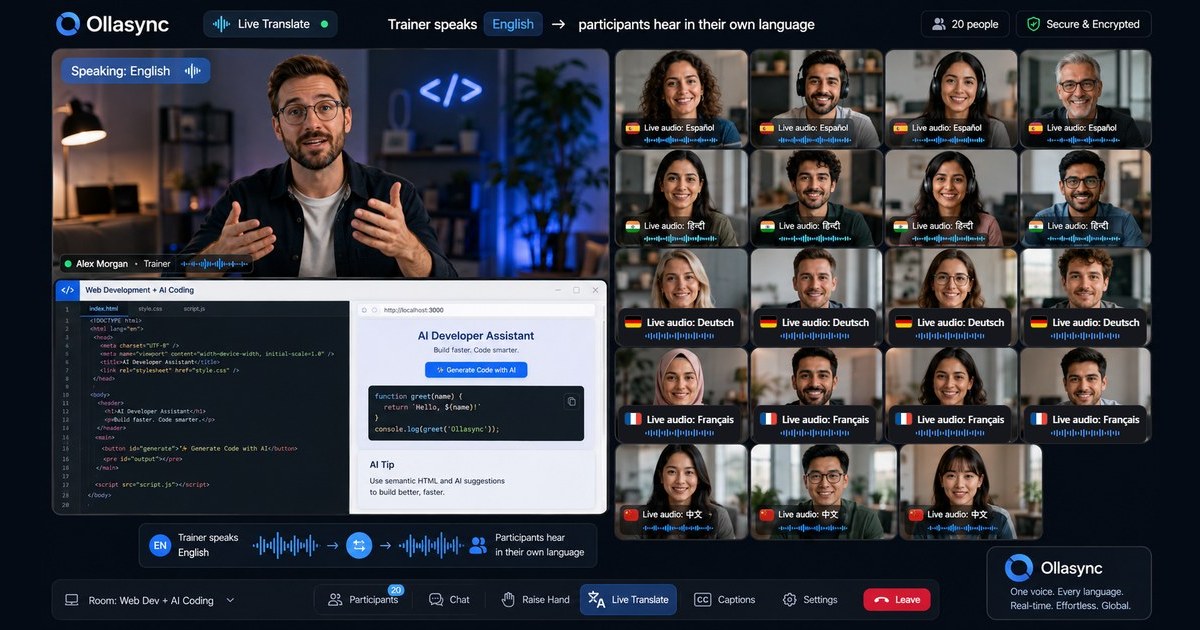
How to break down silos in multinational corporations using technology?
Chapter 1: The Direct Answer & Executive Summary
The Direct Answer: How to Break Down Silos Using Technology
To break down silos in multinational corporations (MNCs), enterprises must deploy an integrated technology architecture composed of four core layers:
- A Federated Data Mesh: Decouple data from monolithic business applications by adopting domain-driven, federated data governance with a unified semantic layer (e.g., Snowflake, Databricks, dbt).
- An Event-Driven Integration Fabric: Connect disparate ERP, CRM, and SCM systems via enterprise integration platforms (iPaaS like Workato or MuleSoft) and real-time event streaming (Apache Kafka).
- Context-Aware Collaborative Work Management (CWM): Replace localized communication with cross-functional orchestration platforms (e.g., Asana Enterprise, Jira Align, Monday.com Enterprise) tied directly to core operational databases.
- Universal Enterprise Knowledge Graphs & AI: Implement cross-repository semantic search and generative AI retrieval (Retrieval-Augmented Generation / RAG) across all global content repositories (SharePoint, Confluence, Google Workspace, Notion) to democratize institutional intelligence.
When orchestrated correctly, this architectural stack eliminates regional and departmental information asymmetry, reduces cross-functional process latency by 40–60%, and establishes a single source of truth across globally distributed business units.
+-------------------------------------------------------------------------+
|                  ENTERPRISE KNOWLEDGE & AI LAYER                        |
|        (Cross-System RAG, Enterprise Search, Semantic Knowledge Graphs) |
+-------------------------------------------------------------------------+
                                    ▲
                                    │
+-------------------------------------------------------------------------+
|               COLLABORATIVE WORK MANAGEMENT (CWM) LAYER                 |
|       (Cross-Functional Orchestration, Portfolio Tracking, Unified Work) |
+-------------------------------------------------------------------------+
                                    ▲
                                    │
+-------------------------------------------------------------------------+
|                 EVENT-DRIVEN INTEGRATION & API FABRIC                   |
|           (Real-Time Webhooks, iPaaS, Kafka Event Streams, Mesh)        |
+-------------------------------------------------------------------------+
                                    ▲
                                    │
+-------------------------------------------------------------------------+
|                 FEDERATED DATA MESH & SEMANTIC LAYER                    |
|      (Domain-Driven Ownership, Unified Schemas, Centralized Governance) |
+-------------------------------------------------------------------------+
Executive Summary: Breaking the Multinational Silo Paradigm
For multinational corporations, organizational silos are not merely cultural dysfunctions; they are the architectural consequence of fragmented technology stacks, regional data compliance mandates, and decentralized legacy systems. As enterprises expand across borders, business units naturally optimize for local autonomy. They procure specialized SaaS point solutions, maintain discrete customer databases, and create disparate collaboration spaces.
The result is structural fragmentation: regional teams duplicate work, supply chains lack real-time end-to-end visibility, sales units cross-sell against each other, and leadership makes multi-million-dollar capital allocations using conflicting datasets.
Knowing how to break down silos at global scale requires shifting from top-down cultural mandates to a deliberate, technology-led framework that enforces structural interoperability.
The Anatomy of an Enterprise Silo
Silos in multinational corporations manifest across three distinct architectural layers. Solving the problem requires addressing each layer directly through technology:
                  ┌─────────────────────────────────────────┐
                  │          THE THREE SILO LAYERS          │
                  └────────────────────┬────────────────────┘
                                       │
         ┌─────────────────────────────┼─────────────────────────────┐
         ▼                             ▼                             ▼
┌─────────────────┐           ┌─────────────────┐           ┌─────────────────┐
│   Data Silos    │           │ Operational     │           │ Cultural & Comms│
│                 │           │ Silos           │           │ Silos           │
├─────────────────┤           ├─────────────────┤           ├─────────────────┤
│ • Regional ERPs │           │ • Isolated SOPs │           │ • Closed chats  │
│ • Custom CRMs   │           │ • Manual hand-  │           │ • Fragmented wikis│
│ • Locked schema │           │   offs across   │           │ • Language/time │
│ • No semantic   │           │   functions     │           │   zone barriers │
│   standard      │           │ • No universal  │           │ • Knowledge     │
│                 │           │   KPI visibility│           │   hoarding      │
└─────────────────┘           └─────────────────┘           └─────────────────┘
1. Data Silos (The Information Deficit)
- Root Cause: Regional deployments of legacy ERPs (e.g., independent SAP instances across APAC, EMEA, and Americas) and isolated operational databases.
- Symptom: Inconsistent customer metrics, uncoordinated global inventory tracking, and disconnected revenue reporting.
- Technological Remedy: Domain-oriented Data Mesh combined with a universal semantic layer that normalizes business definitions globally while respecting regional data residency laws (GDPR, CCPA, PIPL).
2. Operational Silos (The Execution Deficit)
- Root Cause: Department-specific workflow applications running isolated processes without standardized API-driven hand-offs.
- Symptom: Multi-week project delays during hand-offs between Product, Sales Engineering, Compliance, and Local Operations.
- Technological Remedy: Enterprise Collaborative Work Management (CWM) tools integrated via asynchronous iPaaS middleware, triggering cross-departmental actions automatically via webhooks.
3. Cultural & Communications Silos (The Discovery Deficit)
- Root Cause: Knowledge locked inside regional communications platforms, localized intranets, and disconnected messaging tools (Teams, Slack, email, local document stores).
- Symptom: Duplicated research and development, zero discovery of existing solutions across borders, and severe knowledge loss during employee turnover.
- Technological Remedy: Unified Enterprise Search and GenAI/RAG platforms querying across all cloud storage repositories, codebases, and ticketing systems under strict Role-Based Access Control (RBAC).
The 4-Pillar Modernization Matrix
To guide enterprise modernization roadmaps, the table below outlines the structural shift required to dissolve silos across multinational operations:
| Silo Dimension | Legacy / Siloed Operating Model | Modern Interoperable Tech Stack | Targeted Enterprise KPI Impact |
|---|---|---|---|
| Data Architecture | Centralized data monoliths or isolated, ungoverned regional databases. | Federated Data Mesh with a shared semantic layer and local compliance nodes. | 70% reduction in cross-regional reporting latency; zero data drift. |
| System Integration | Batch ETL pipelines, manual CSV exports, point-to-point hardcoded APIs. | Real-Time Event Streams (Kafka) & Enterprise iPaaS with pre-built connectors. | 85% reduction in integration maintenance costs; real-time event triggers. |
| Process Orchestration | Siloed email threads, regional spreadsheets, fragmented ticket queues. | Enterprise Work Orchestration Platforms linked across portfolio levels. | 35–50% acceleration in cross-functional project delivery velocity. |
| Knowledge Discovery | Isolated SharePoint/Confluence sites behind regional permissions. | Enterprise-wide AI Search Engine (RAG) with unified vector indexing. | 4x improvement in time-to-information for distributed teams. |
Strategic Implementation Framework for Technology Executives
For Chief Information Officers (CIOs), Chief Digital Officers (CDOs), and enterprise transformation leaders, dismantling silos is an iterative, programmatic rollout:
┌─────────────────────────────────────────────────────────────────────────────┐
│                            IMPLEMENTATION PHASES                            │
└─────────────────────────────────────────────────────────────────────────────┘

  PHASE 1: Foundational Interoperability (Months 1–3)
  ├── Audit duplicate SaaS applications across global regions.
  ├── Establish global Master Data Management (MDM) for customers, products, suppliers.
  └── Deploy universal Identity & Access Management (Okta/Entra ID SSO).

  PHASE 2: The Integration Fabric (Months 4–6)
  ├── Roll out enterprise iPaaS to unify core systems (ERP ↔ CRM ↔ HRIS).
  ├── Deploy real-time event brokers for critical business transactions.
  └── Implement a shared API gateway and developer portal for internal integration.

  PHASE 3: Federated Work Orchestration (Months 7–9)
  ├── Standardize cross-functional project delivery on an Enterprise CWM platform.
  ├── Automate cross-departmental workflows via webhooks and API triggers.
  └── Implement portfolio-level visibility dashboards for executive leadership.

  PHASE 4: Cognitive Unification (Months 10–12)
  ├── Index all unstructured enterprise knowledge into a centralized vector store.
  ├── Deploy enterprise-wide RAG/AI assistants with role-based access control.
  └── Continuously track collaboration telemetry, API adoption, and data hygiene.
Actionable Checkpoints for Executive Sponsors:
- Establish Cross-Functional System Ownership: Appoint business systems owners responsible for end-to-end global processes (e.g., Order-to-Cash, Procure-to-Pay) rather than localized application instances.
- Deprecate Unsanctioned SaaS Tools: Enforce strict single sign-on (SSO) and centralized procurement to stop the uncontrolled growth of shadow IT and departmental communication silos.
- Decouple Data from Underlying Applications: Treat data as a strategic product. Ensure business units expose domain data through standardized APIs and semantic definitions, allowing other global units to consume it securely.
By shifting from localized application management to an integrated, API-first enterprise architecture, multinational corporations eliminate technical bottlenecks, align cross-functional teams, and establish an agile foundation for continuous global scaling.## Chapter 2: The Data & Competitor Comparison: Legacy Stacks vs. Modern AI Orchestration
To understand how to break down silos in multinational corporations (MNCs), enterprise leaders must first confront a counterintuitive reality: the primary communication tools deployed over the last decade—video conferencing suites and threaded messaging apps—have accelerated organizational fragmentation rather than solved it.
While legacy collaboration software digitized office interactions, it did not unify enterprise intelligence. This chapter analyzes the empirical data behind cross-border fragmentation and provides an objective, architectural comparison between legacy communication tools (Zoom, Cisco Webex, Microsoft Teams) and modern AI-native orchestration layers.
The Empirical Cost of Enterprise Silos in Multinational Corporations
Organizational silos in global enterprises are not merely cultural friction points; they represent systemic operational drag measurable in billions of dollars of lost productivity, duplicated R&D, and missed market windows.
+-----------------------------------------------------------------------------+
|                     THE ANATOMY OF SILO-DRIVEN DRAG                         |
|                                                                             |
|  [ 9.3 Hours/Week ] Search & Context Reconstruction (IDC / McKinsey)        |
|  [    $37.7 Billion ] Annual Cost of Miscommunication in Global MNCs (SHRM) |
|  [      42% Drop ] Cross-Regional Knowledge Transfer Velocity (Gartner)     |
|  [      68% Loss ] Video-Transmitted Insights Lost Post-Call (Forrester)    |
+-----------------------------------------------------------------------------+
Key benchmark metrics illustrate the scale of the challenge across multinational environments:
- The Information Retrieval Tax: According to data from McKinsey and IDC, knowledge workers spend an average of 19.3% of their workweek (9.3 hours) searching for and gathering cross-functional information locked across fragmented systems.
- Duplicated Cross-Regional Work: Gartner research shows that large enterprises waste $30 million to $50 million annually on redundant software licenses, duplicated internal research, and overlapping engineering initiatives caused by poor inter-subsidiary visibility.
- The Asynchronous Latency Penalty: In MNCs spanning Americas (AMER), Europe/Middle East/Africa (EMEA), and Asia-Pacific (APAC), dependency on synchronous meetings creates a 36-to-72-hour lag for critical multi-departmental approvals, compounding time-to-market latency for global product rollouts.
Understanding how to break down silos requires transitioning from platforms that merely transmit raw messages to architectures that synthesize, index, and proactively route institutional knowledge.
Deconstructing the Legacy Stack: Why Teams, Zoom, and Webex Create “Digital Silos”
Legacy tools were engineered for human-to-human communication channels, not unified enterprise cognition. When deployed across thousands of cross-border employees, they systematically reinforce structural divides.
       LEGACY ARCHITECTURE                     MODERN AI ARCHITECTURE
  (Channel & Platform Walls)               (Decoupled Knowledge Layer)

+----------------------------+             +----------------------------+
|  Sales     Eng    Product  |             |  Sales     Eng    Product  |
| [Teams]  [Slack]   [Jira]  |             | [Teams]  [Slack]   [Jira]  |
+----------------------------+             +----------------------------+
|  |           |        |    |                            |
|  x           x        x    |                            v
| (Search Walls & Permissions|             +----------------------------+
|  Fragment Global Context)  |             | Unified Enterprise Graph   |
+----------------------------+             |  - Semantic Search         |
| Isolated Regional Workdata |             |  - Cross-Timezone Context  |
+----------------------------+             |  - Autonomous Translation  |
                                           +----------------------------+
1. Microsoft Teams: Channel Proliferation and Walled Gardens
- The Failure Mode: Teams centralizes communication inside isolated departmental channels, tenancy boundaries, and localized SharePoint folders.
- The Silo Impact: As teams scale, channel lists expand into unmanageable directories. Permission boundaries, guest access limits across global operating units, and rigid organizational hierarchies hide product breakthroughs from regional sales teams. Cross-channel search returns fragmented message snippets stripped of original context.
2. Zoom & Cisco Webex: The Ephemeral Synchronous Trap
- The Failure Mode: Synchronous video tools assume high-value strategic alignment happens in live 30-to-60-minute windows.
- The Silo Impact: Live calls inherently disenfranchise non-overlapping time zones (e.g., Singapore vs. San Francisco). Critical architectural or commercial decisions made on live calls often disappear when the meeting ends, leaving remote teams reliant on secondary summaries or fragmented transcripts that lack structured semantic indexing.
Comparative Matrix: Legacy Stacks vs. Modern AI Platforms
The following matrix compares legacy enterprise platforms against modern AI-native orchestration platforms (such as enterprise semantic search systems, AI-powered knowledge graphs, and asynchronous synthesis engines) across five dimensions critical to breaking down silos.
| Capability Dimension | Legacy Stack (Zoom, Webex, Teams) | Modern AI Orchestration Platforms | Enterprise Impact on Silos |
|---|---|---|---|
| Knowledge Discovery | Keyword Matching: Returns isolated links, raw transcripts, or threaded messages requiring manual review. | Semantic Knowledge Graphs: Dynamically indexes cross-tool data (Jira, Salesforce, Slack, Confluence) to answer multi-step enterprise queries directly. | Eliminates 80% of cross-departmental search friction; provides instant cross-functional visibility. |
| Cross-Timezone Collaboration | Synchronous-First: Requires real-time attendance or manual review of 60-minute video recordings. | Automated Asynchronous Synthesis: Generates role-specific, localized summaries, action items, and technical briefs without requiring human attendance. | Decouples cross-border execution from calendar availability across AMER, EMEA, and APAC. |
| Taxonomy Translation | Siloed Jargon: Engineering terminology remains isolated from Sales and Customer Success taxonomies. | Autonomous LLM Translation: Converts technical updates (e.g., GitHub commits, Jira tickets) into commercial impact summaries for Go-To-Market (GTM) teams. | Bridges the structural communication gap between R&D, operations, and revenue teams. |
| Context Preservation | Fragmented & Ephemeral: Context is scattered across chat histories, call recordings, slide decks, and internal emails. | Persistent Vector Stores: Consolidates historical and real-time operational context across all enterprise SaaS tools into an accessible index. | Prevents knowledge loss during reorganizations, employee turnover, and regional restructurings. |
| Information Routing | Manual Pull (Interruption-Driven): Workers must actively track channels, ping colleagues, and request access to discover critical data. | Predictive Semantic Push: Proactively alerts relevant cross-functional stakeholders when adjacent teams produce overlapping work. | Halts duplicate cross-regional projects before redundant development occurs. |
The Three Architectural Shifts Required to Break Down Silos
When evaluating how to break down silos through technological investments, Chief Information Officers (CIOs) and Chief Technology Officers (CTOs) must prioritize three architectural shifts:
+-----------------------------------------------------------------------------------+
|               THREE CORE SHIFTS FOR CROSS-FUNCTIONAL UNIFICATION                  |
|                                                                                   |
|  1. Interconnection Layer: Decouple Knowledge from Communication Channels         |
|  2. Semantic Unification: Unify Poly-SaaS Environments via Embeddings & RAG      |
|  3. Knowledge Access: Move from Reactive Search to Proactive Ingestion            |
+-----------------------------------------------------------------------------------+
1. Decouple Knowledge from Communication Channels
Legacy platforms tightly couple knowledge creation to the communication channel (e.g., a specific Teams channel or Webex meeting room). Modern AI layers extract knowledge assets from communication pipes, indexing insights into a unified enterprise vector database accessible to any verified employee, regardless of department.
2. Unify Poly-SaaS Environments via Embeddings and Retrieval-Augmented Generation (RAG)
MNCs rarely operate on a single technology stack. While one acquired division might use Google Workspace and Slack, the parent organization may rely on Microsoft 365. Modern AI platforms use enterprise RAG frameworks to query data across heterogeneous systems simultaneously, effectively removing the technical borders separating business units.
3. Move from Reactive Inquiries to Proactive Intelligence Delivery
Traditional tools require employees to know what to search for and who to ask. Modern AI engines analyze ongoing project metadata across departments and alert teams to dependencies, duplicated efforts, and relevant past artifacts before work begins.
Actionable Enterprise Diagnostic: Auditing Your Current Silo Index
To assess whether your enterprise collaboration stack actively reinforces silos, score your infrastructure using this three-point assessment:
- The Cross-Functional Retrieval Test: Can a newly onboarded Product Manager in Berlin retrieve the precise commercial constraints identified by an Enterprise Account Executive in Tokyo within 30 seconds, using natural language?
- The Time-Zone Parity Test: Can regional teams in APAC execute technical roadmaps designed in AMER without attending live sync meetings scheduled outside their standard working hours?
- The Duplication Detection Test: Does your technology stack automatically flag when two engineering teams in different subsidiaries build overlapping software features or evaluate the same third-party vendor?
If your current deployment of Zoom, Webex, or Microsoft Teams fails this diagnostic, your organization is running on a communication architecture that preserves silos rather than dismantling them. Resolving this gap requires pairing baseline comms tools with an AI-native cross-functional intelligence layer.# Chapter 3: The 2026 Architectural Blueprint for Cross-Enterprise Interoperability
To master how to break down silos across multinational corporations (MNCs) today, enterprise architects and Chief Technology Officers must move beyond standard API aggregation. In 2026, the modern multinational does not suffer from a lack of connectivity tools; it suffers from semantic fragmentation, localized data sovereignty barriers, and asynchronous operational rhythms.
Breaking down enterprise silos requires a unified, poly-system architectural blueprint. This deep dive details the operational protocols, infrastructure layers, and governance models required to transition an enterprise from disconnected regional fiefdoms to an autonomous, federated operating model.
+-------------------------------------------------------------------------------+
|                       2026 FEDERATED INTEROPERABILITY LAYER                   |
+-------------------------------------------------------------------------------+
|   Global Semantic Layer (Enterprise Knowledge Graph + Shared Ontologies)      |
+-------------------------------------------------------------------------------+
                                     |
    +--------------------------------+--------------------------------+
    |                                |                                |
+-----------------------+  +-----------------------+  +-----------------------+
|    DOMESTIC / EMEA    |  |       APAC HUB        |  |       AMER HUB        |
|  - Domain Data Mesh   |  |  - Domain Data Mesh   |  |  - Domain Data Mesh   |
|  - Local Agent Nodes  |  |  - Local Agent Nodes  |  |  - Local Agent Nodes  |
|  - Sovereign Compute  |  |  - Sovereign Compute  |  |  - Sovereign Compute  |
+-----------------------+  +-----------------------+  +-----------------------+
                                     |
+-------------------------------------------------------------------------------+
|    Deterministic Zero-Trust Security & Dynamic ABAC (Entitlements Engine)     |
+-------------------------------------------------------------------------------+
1. Composable Data Mesh vs. Monolithic Centralization
Historically, enterprise IT attempted to solve structural isolation by building centralized data lakes or monolithic enterprise resource planning (ERP) instances. In multinational environments, this model consistently fails due to regional regulatory divergency, latency, and business unit friction.
The 2026 standard for how to break down silos at scale is the Domain-Driven Data Mesh. Instead of forcing all business units (e.g., EMEA Supply Chain, APAC Manufacturing, AMER Sales) to pump raw data into a central repository, data is treated as a decentralized product:
- Decentralized Domain Ownership: Each business unit retains operational ownership of its systems (SAP, Salesforce, Workday, proprietary MES) while publishing standardized Data Products.
- Self-Serve Infrastructure Platforms: A centralized platform engineering team provides the underlying compute, streaming infrastructure (e.g., Apache Kafka, Redpanda), and continuous integration/continuous deployment (CI/CD) pipelines.
- Standardized Schema Registries: Regional domains expose data via strict OpenData and JSON-LD schema contracts. If APAC engineering modifies a field, backward-compatible semantic contracts prevent downstream failures in EMEA analytics pipelines.
2. Federated Knowledge Graphs and Semantic AI Agents
The primary technical bottleneck in cross-departmental coordination is contextual divergence. Sales defines a “customer” at the contract signing stage, while Operations defines a “customer” only when an onboarding ticket is provisioned.
Modern cross-silo architecture resolves this through a Federated Semantic Knowledge Graph mapped against an enterprise-wide Large Language Model (LLM) orchestration layer:
Semantic Layer Virtualization
Rather than performing physical Extract, Transform, Load (ETL) tasks on all transactional databases, enterprises deploy a semantic virtualization layer (using W3C standards such as RDF, OWL, and SPARQL or unified graph databases like Neo4j and Amazon Neptune). This layer maps distinct data models into an ontological network without moving the source data.
Agentic Intermediaries
Autonomous AI agents interact across domains using protocol-driven communication (such as the Model Context Protocol or federated REST/gRPC interfaces).
[HR System: Workday] <--> [Domain Agent: HR]
                               |
                   (Semantic Query Negotiation)
                               |
[Engineering: Jira]  <--> [Domain Agent: R&D]
When Product launches a feature, a localized R&D agent queries the unified semantic graph to automatically notify the relevant Customer Success agents in distinct operational markets. This eliminates manual synchronization overhead.
3. Sovereign Compute Boundaries and Federated Learning
For multinational corporations, compliance frameworks (such as the EU AI Act, GDPR, China’s PIPL, and cross-border transfer limits) often create legal data silos that technology leaders cannot simply bypass with open network routing.
Solving this challenge requires Federated Analytics and Sovereign Edge Compute:
+-------------------------------------------------------------------+
|                    Global Aggregated Model                        |
+-------------------------------------------------------------------+
         ^                                                 ^
         | (Encrypted Weights Only)                       | (Encrypted Weights Only)
         v                                                 v
+-----------------------------+               +-----------------------------+
|   Regional Node: EU-West    |               |   Regional Node: APAC-East  |
|  - Sovereign Customer Data  |               |  - Sovereign Customer Data  |
|  - In-Region Training       |               |  - In-Region Training       |
+-----------------------------+               +-----------------------------+
- In-Region Compute Execution: Personally Identifiable Information (PII) and sovereign enterprise data never leave regional jurisdictions (e.g., Frankfurt for EU-West, Singapore for APAC-South).
- Federated Model Aggregation: Analytical algorithms and machine learning models are sent to the data. Only aggregated, anonymized model weights or cryptographic proofs are synchronized back to global headquarters.
- Differential Privacy: Automated noise-injection algorithms run across localized analytics pipelines, ensuring that global cross-departmental reports cannot be reverse-engineered to reveal individual localized records.
4. Identity Federation and Dynamic Attribute-Based Access Control (ABAC)
Information silos are frequently defended on the grounds of internal security and entitlement risks. Role-Based Access Control (RBAC) breaks down in global enterprises because maintaining millions of explicit role-permission matrices causes operational paralysis.
The architectural replacement is Dynamic Attribute-Based Access Control (ABAC) powered by zero-trust identity fabrics:
- Contextual Policy Evaluation: When a marketing analyst in the US attempts to access EMEA product consumption metrics, access is dynamically granted or masked in real time based on environmental attributes (user identity, device security posture, clearance level, data classification, and business justification).
- Cryptographic Data Enclaves: Sensitive cross-functional projects run inside secure multi-party computation (SMPC) spaces or confidential virtual machines (Confidential VMs). Finance, R&D, and Mergers & Acquisitions share insights without exposing raw proprietary source code or unencrypted ledger entries to cross-functional peers.
5. Architectural Implementation Matrix
The following matrix contrasts legacy methods with the 2026 approach for dismantling enterprise silos:
| Operational Dimension | Legacy Silo Approach (Pre-2023) | Modern Interoperability Architecture (2026) |
|---|---|---|
| Data Ingestion | Batch ETL to a centralized data warehouse | Event-driven Data Mesh with real-time streaming |
| Inter-Team Semantics | Static spreadsheets, manual glossaries | Dynamic, graph-based ontologies & schema registries |
| Cross-Silo Workflows | Manual ticketing (ServiceNow, Jira) | Autonomous agent-to-agent coordination protocols |
| Access Governance | Static RBAC with sprawling permission sprawl | Context-aware ABAC with dynamic policy engines (OPA) |
| Cross-Border Compliance | Restrictive access walls, complete data isolation | In-region sovereign compute & federated learning |
6. Technical Anti-Patterns: What to Avoid
When determining how to break down silos, engineering teams must guard against three common anti-patterns:
- The “Single Source of Truth” Trap: Attempting to migrate every operating entity to a singular, global SaaS instance creates operational rigidity and invites regional shadow IT. Aim for semantic consistency, not database uniformity.
- Unregulated Agentic Proliferation: Deploying domain-level AI agents without a strict, common API framework results in an unmonitored “agentic silo,” where agents communicate using non-deterministic inputs that drift from canonical enterprise logic.
- Neglecting Latency in Cross-Region Meshes: Global synchronization pipelines that rely on synchronous queries across trans-oceanic backbones cause significant microservice latency. Use asynchronous, event-driven architecture (EDA) with distributed state caches to ensure local system performance remains decoupled from global telemetry feeds.## Chapter 4: The Enterprise Solution Blueprint — How to Break Down Silos with Ollasync
Multinational corporations cannot solve systemic organizational fragmentation with cultural mandates or superficial communication tools. When operations span continents, time zones, and legacy software stacks, the challenge of how to break down silos transitions from a managerial philosophy into an architectural necessity.
To permanently eradicate structural, geographic, and technical silos, global enterprises require a unified intelligence layer that sits above their existing tech stack—dynamically synchronizing context, data, and workflows across every business unit in real time.
                                 THE OLLASYNC ARCHITECTURE

   ┌──────────────┐   ┌──────────────┐   ┌──────────────┐   ┌──────────────┐
   │ Salesforce   │   │ SAP / ERP    │   │ Jira / Linear│   │ Slack / Teams│
   └───────┬──────┘   └───────┬──────┘   └───────┬──────┘   └───────┬──────┘
           │                  │                  │                  │
           └──────────────────┼──────────────────┴──────────────────┘
                              │
                    ▼         ▼         ▼
      ┌─────────────────────────────────────────────────────────────┐
      │                      OLLASYNC CORE                          │
      │  ┌───────────────────────────────────────────────────────┐  │
      │  │        Enterprise Semantic Context Graph              │  │
      │  └───────────────────────────────────────────────────────┘  │
      │  ┌───────────────────────────┐ ┌───────────────────────────┐│
      │  │ Polyglot Cross-Border Sync│ │ Predictive Risk Engine    ││
      │  └───────────────────────────┘ └───────────────────────────┘│
      │  ┌───────────────────────────────────────────────────────┐  │
      │  │ Continuous Bi-Directional Orchestration Mesh          │  │
      │  └───────────────────────────────────────────────────────┘  │
      └──────────────────────────────┬──────────────────────────────┘
                                     │
                    ▼         ▼      ▼
       Zero-Friction Enterprise Alignment (Instant Cross-Silo Execution)
The Paradigm Shift: Moving from Hub-and-Spoke to Dynamic Enterprise Mesh
Traditional integration platforms (iPaaS) and enterprise social networks fail to dismantle silos because they require manual upkeep, technical maintenance, and human interpretation. Passing raw records between Salesforce and SAP or pinging distributed teams in Slack channels does not produce cross-functional alignment.
+---------------------------+-----------------------------------+------------------------------------+
| Capability                | Legacy Integration / Chat Apps    | Ollasync Enterprise Mesh           |
+---------------------------+-----------------------------------+------------------------------------+
| Data Handling             | Brittle point-to-point API pipes  | Semantic knowledge orchestration   |
| Context Preservation      | None (raw payload transfers)      | Full situational & project context |
| Cross-Border Localization | Manual human translation          | Autonomous polyglot synchronization|
| Operational Alignment     | Reactive discovery (weekly syncs) | Proactive, real-time risk alerts   |
+---------------------------+-----------------------------------+------------------------------------+
The enterprise-grade solution to siloed operations is an autonomous intelligence layer. By ingesting, contextualizing, and harmonizing disparate activity across business systems, Ollasync provides the unified infrastructure multinational enterprises need to operate as a single, coordinated entity.
Core Pillars: How Ollasync Solves the Silo Crisis
                        OLLASYNC 4-PILLAR FRAMEWORK

    ┌───────────────────────────┐       ┌───────────────────────────┐
    │     1. CONTEXT ENGINE     │       │    2. POLYGLOT SYNC       │
    │ Translates raw app events │──────▶│ Auto-aligns cross-border  │
    │ into universal context.   │       │ semantics & languages.    │
    └─────────────┬─────────────┘       └─────────────┬─────────────┘
                  │                                   │
                  ▼                                   ▼
    ┌───────────────────────────┐       ┌───────────────────────────┐
    │   3. BI-DIRECTIONAL MESH  │       │  4. PREDICTIVE COLLISION  │
    │ Keeps systems in continuous│──────▶│ Flags misalignment before │
    │ operational lockstep.     │       │ execution bottlenecks occur│
    └───────────────────────────┘       └───────────────────────────┘
1. Universal Enterprise Context Graph
Legacy architectures isolate data within departmental apps: Customer Success lives in Zendesk, Engineering in Jira, Product in Linear, and Sales in CRM ecosystems. Ollasync connects these endpoints via a centralized Semantic Context Engine.
Instead of routing blind notifications, Ollasync derives operational meaning from everyday events. When an APAC enterprise client submits an escalated feature request, Ollasync surfaces that customer context directly inside the relevant Product sprint in North America and alerts the EMEA account team of downstream renewal risks—without manual status reporting.
2. Polyglot Cross-Border Synchronization
Multinational business units struggle with communication barriers driven by language, time zones, and divergent operational jargon. Ollasync continuously ingests documentation, updates, and discussions across global instances, translating and standardizing technical terminology in real time.
A technical architecture document published in Japanese by an APAC engineering pod is instantly indexed, localized, and mapped to the business requirements of product teams in London and executive leadership in New York.
3. Continuous Bi-Directional Workflow Orchestration
Point-to-point integrations push unilateral records, leaving systems out of sync when exceptions occur. Ollasync uses an autonomous state machine that keeps global toolsets synchronized bi-directionally.
If Finance alters revenue recognition milestones in an ERP, Ollasync automatically updates corresponding deal stage validation rules in the CRM and adjusts capacity forecasts within project planning applications—eradicating operational latency.
4. Predictive Cross-Functional Collision Detection
Silos regularly trigger duplicate work, conflicting roadmaps, and missed interdependencies. Ollasync monitors global cross-departmental operations and alerts teams before collisions impact the bottom line:
- Roadmap Overlaps: Alerts business units building parallel solutions to similar problems across different geographies.
- SLA Violations: Warns regional fulfillment units when upstream software deployments are delayed.
- Go-to-Market Gaps: Automatically checks sales collateral against live engineering specifications to eliminate market misrepresentation.
Implementation Playbook: Deploying Ollasync Across Global Units
Rolling out an enterprise-wide integration layer should never require years of custom services. Ollasync deploys over existing infrastructure using an accelerated 90-day framework:
  Day 1–30                     Day 31–60                    Day 61–90+
 ┌──────────────────────────┐ ┌──────────────────────────┐ ┌──────────────────────────┐
 │ ZERO-DISRUPTION INGEST   │ │ SEMANTIC GRAPH MAPPING   │ │ AUTONOMOUS ORCHESTRATION │
 │ • Connect SaaS/ERP tools │ │ • Map operational taxonomy│ │ • Real-time dynamic sync │
 │ • Establish access tiers │ │ • Trace dependency graphs│ │ • Active collision alerts│
 │ • Zero employee workflow │ │ • Calibrate contextual   │ │ • Continuous operational │
 │   interruptions          │ │   translations           │ │   visibility             │
 └──────────────────────────┘ └──────────────────────────┘ └──────────────────────────┘
Phase 1: Zero-Disruption Ingestion (Days 1–30)
- Connect primary SaaS, ERP, CRM, and code repositories via secure, zero-friction connectors.
- Enforce role-based access control (RBAC), SOC2 Type II compliance, and enterprise data residency partitions (e.g., GDPR, CCPA).
- Ingest communication streams and project boards without requiring operational teams to change their day-to-day software.
Phase 2: Semantic Graph Mapping (Days 31–60)
- Ollasync’s AI engines analyze interdepartmental dependency networks, map operational terminology, and construct the company-wide Context Graph.
- Pinpoint undocumented cross-regional dependencies and operational black holes.
- Establish baseline KPIs for interdepartmental velocity and cross-system friction.
Phase 3: Autonomous Orchestration (Days 61–90+)
- Activate bi-directional data flow, automated cross-language translation, and real-time collision detection.
- Eliminate manual alignment routines, redundant status meetings, and multi-day status report compilation.
- Provide leadership with complete visibility into global project dependencies and operational velocity.
Business Impact: The Quantifiable ROI of Connected Enterprises
Breaking down operational silos produces concrete, auditable enterprise outcomes. Organizations that modernize cross-functional operations with Ollasync realize measurable business gains:
+------------------------------------+-------------------------+------------------------------------------+
| Performance Metric                 | Siloed Enterprise State | Ollasync Unified Mesh                    |
+------------------------------------+-------------------------+------------------------------------------+
| Cross-System Time-to-Decision      | 8 to 14 Business Days   | Under 4 Hours                            |
| Redundant Initiative Overlap       | 12–18% of Global Budget | < 1% (Proactive Collision Detection)     |
| Cross-Departmental Context Prep    | 4.2 Hours/Week/Employee | 0 Hours (Autonomous Graph Delivery)      |
| Product-to-Market Delivery Cycle   | 9 to 12 Months          | 4 to 6 Months                            |
+------------------------------------+-------------------------+------------------------------------------+
Conclusion: Transforming the Fragmented Enterprise into a Cohesive Powerhouse
Legacy enterprise growth patterns—mergers, geographic expansions, and departmental tooling sprawl—inevitably fragment organizations into disconnected silos. These operational divides throttle cross-functional velocity, introduce blind spots, and waste critical developer, sales, and executive capacity.
Solving how to break down silos requires moving past the illusion that another communication tool or static documentation library will unify a modern multinational business.
Real organizational alignment demands an active, autonomous intelligence layer that unifies cross-system context, synchronizes workflows, and turns disconnected subsidiaries into a single, coordinated operation.
Ollasync delivers this infrastructure. By uniting disparate platforms, eliminating language barriers, and aligning cross-border priorities in real time, Ollasync turns multinational complexity into an enduring competitive edge.
Eliminate Your Enterprise Silos with Ollasync
End cross-functional friction, eliminate invisible bottlenecks, and unite your distributed operations with the industry’s leading enterprise context and synchronization engine.
- Schedule an Architectural Consultation: Discover how Ollasync integrates with your existing ERP, CRM, and dev stacks with zero workflow disruption.
- Receive an Enterprise Silo Diagnostic: Identify hidden cross-regional redundancies, tool fragmentation, and operational latency across your global business units.